How Much Does It Cost to Charge an EV at Home? (2026)
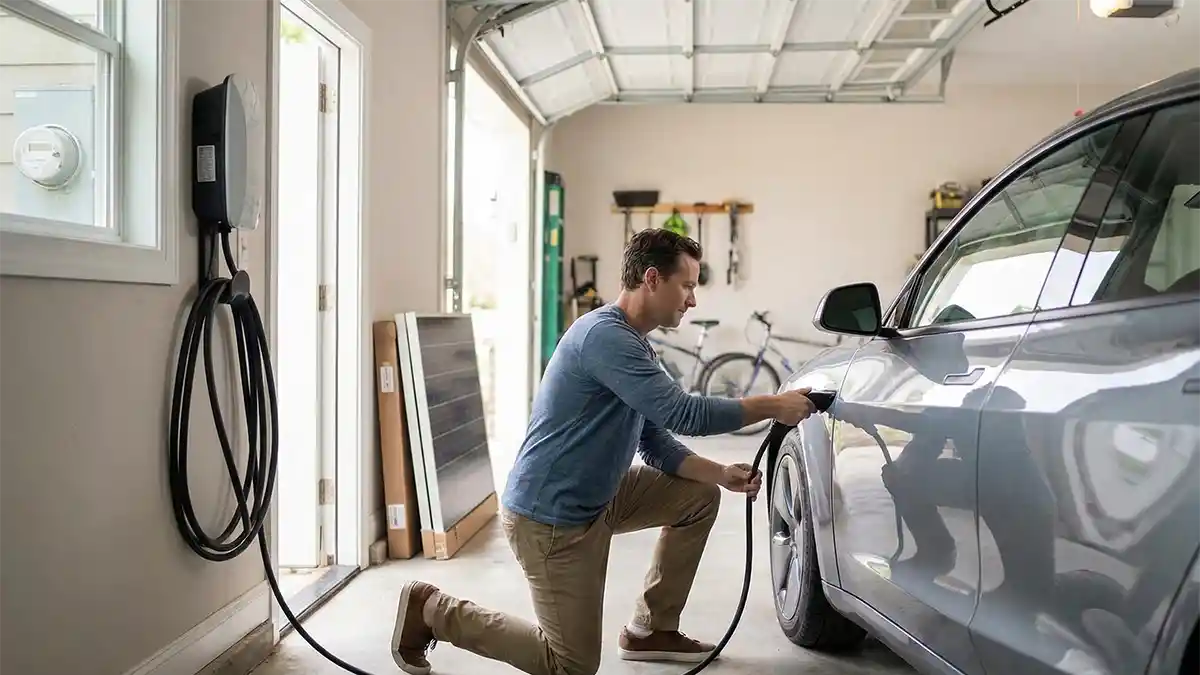
Most EV owners spend about $40 to $80 per month charging at home. Learn how to calculate your exact cost, compare Level 1 vs Level 2, and lower your electric bill.

Trusted step-by-step guides for car repair, maintenance, and diagnostics — written by an ASE-certified technician with 12+ years of experience.
Most EV owners spend about $40 to $80 per month charging at home. Learn how to calculate your exact cost, compare Level 1 vs Level 2, and lower your electric bill.
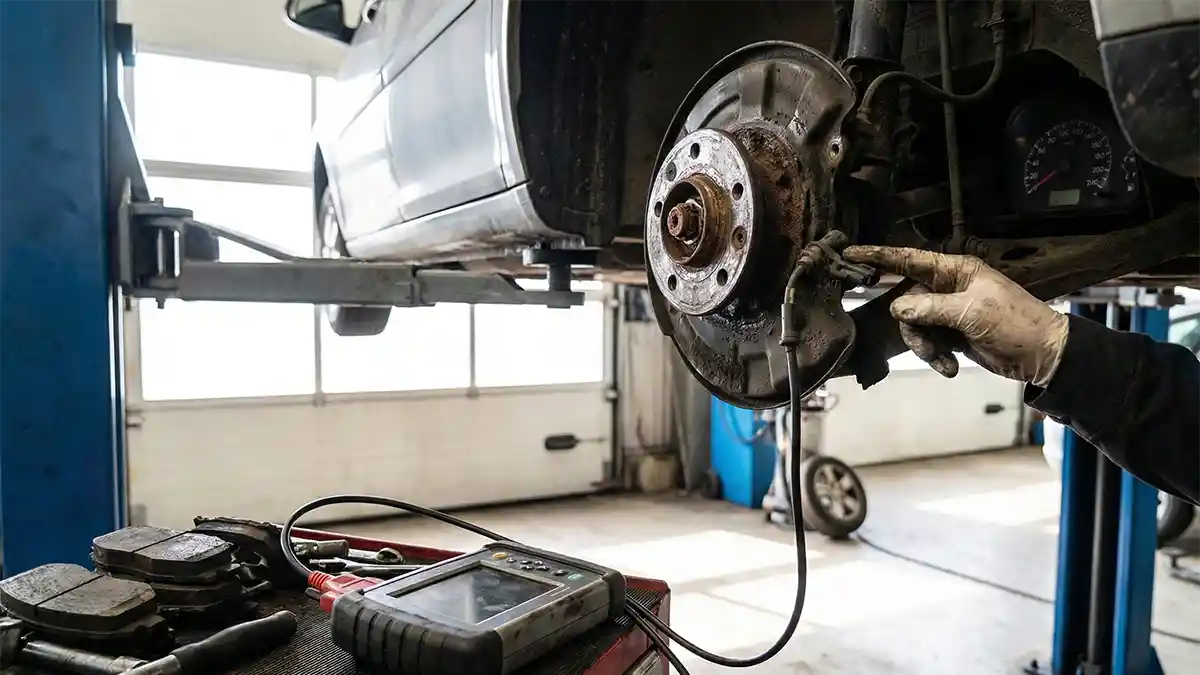
When your ABS light and traction control light come on at the same time, it’s not a coincidence — these two systems share critical components, and when something fails in one, it often triggers both warning lights simultaneously. Here’s exactly why this happens, what typically causes it, and whether you’re safe to keep driving. Why …
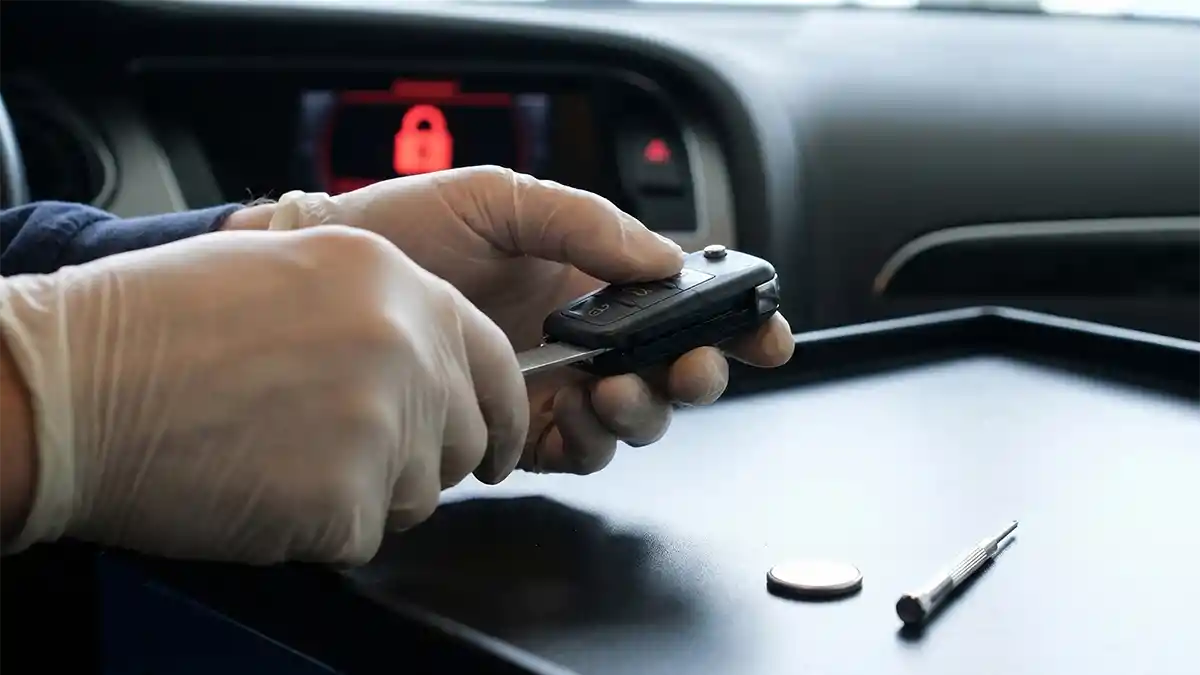
You get in your car, turn the key, and notice a small icon on your dashboard that looks like a car with a padlock or a key silhouette. Maybe the car won’t start. Maybe it started fine but the light won’t go off. Either way, you’re wondering what it means and how to get rid …
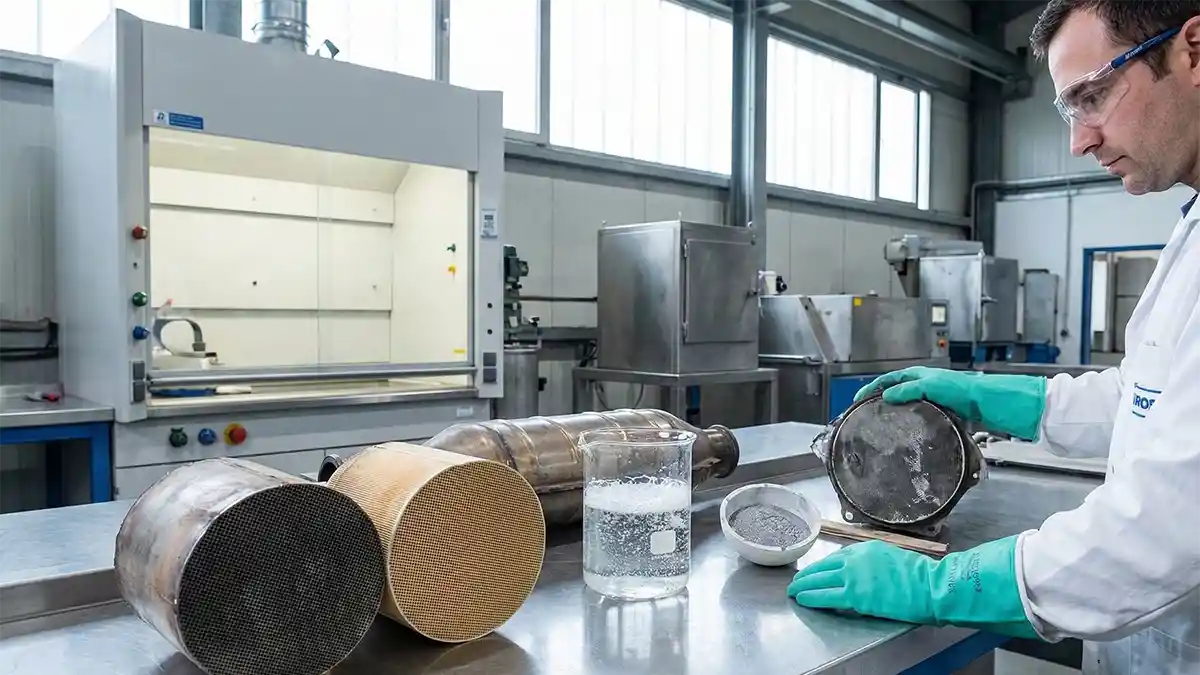
Learn how professional recyclers recover platinum, palladium, and rhodium from spent catalytic converters. Understand the industrial process, legal requirements, and why DIY extraction is not feasible.
Loading a motorcycle onto a truck bed or trailer without a proper ramp isn’t just physically demanding — it’s dangerous. A 700 lb. touring bike tipping over during a clumsy loading attempt can injure you and destroy a valuable machine. Motorcycle ramps solve this problem elegantly, transforming a risky, two-person job into something a single …
Considering a Nissan? Before you buy, one of the smartest questions you can ask is: how much will it actually cost to keep running? The purchase price is just the beginning. Annual maintenance costs, repair frequency, and parts availability all factor into the true cost of ownership. Here’s an honest, data-based answer to whether Nissans …
Learn how to fix an ABS sensor safely: scan the code, inspect wiring, test the wheel speed sensor, clean the tone ring, and replace the sensor only when needed.