Signs of Low Coolant Symptoms DIY: What to Know
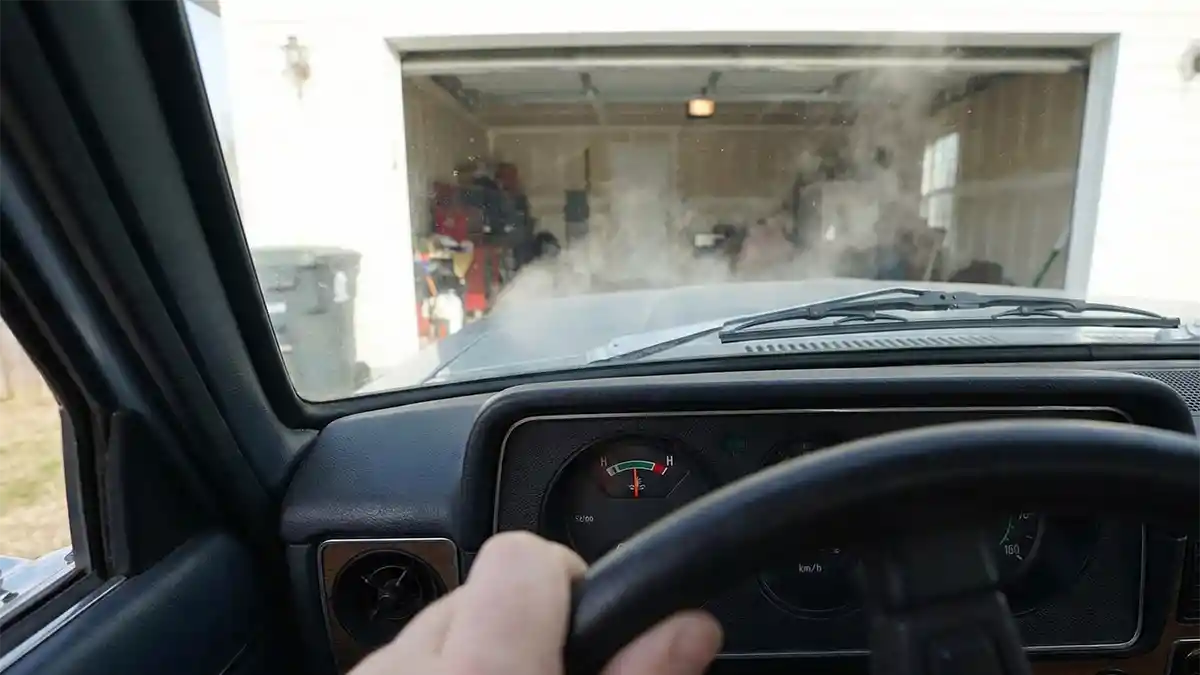
Low coolant can cause overheating, weak cabin heat, warnings and visible leaks. Confirm the level cold, use the correct coolant and diagnose repeated coolant loss.

Trusted step-by-step guides for car repair, maintenance, and diagnostics — written by an ASE-certified technician with 12+ years of experience.
Low coolant can cause overheating, weak cabin heat, warnings and visible leaks. Confirm the level cold, use the correct coolant and diagnose repeated coolant loss.
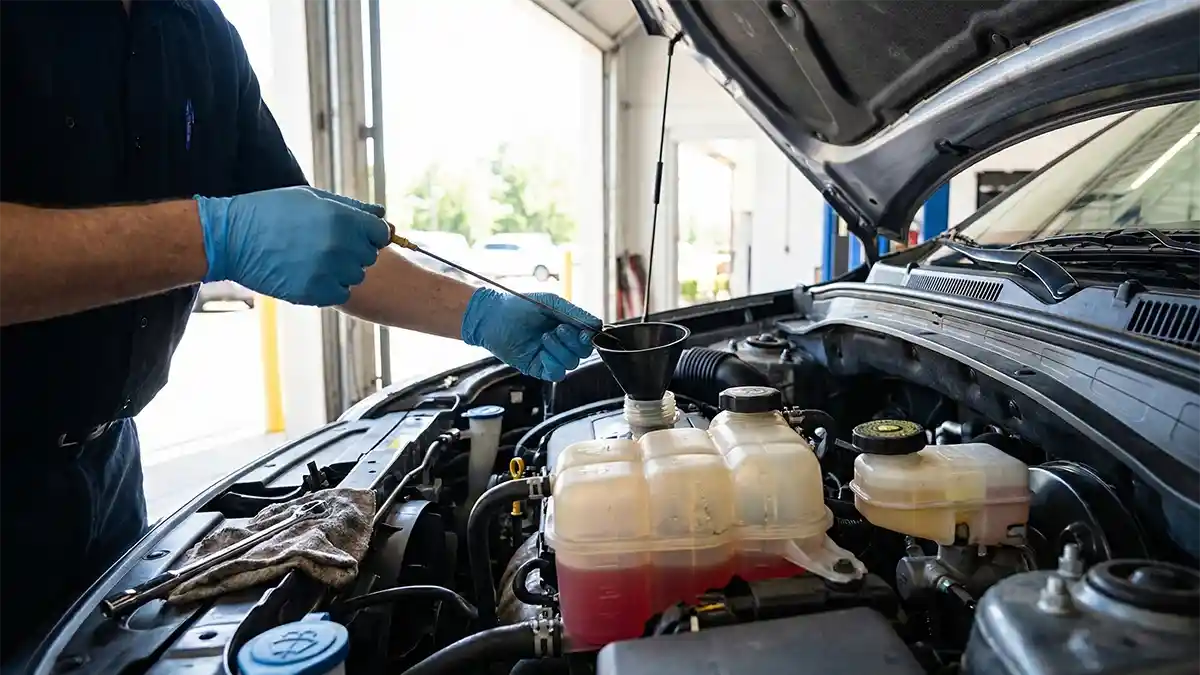
Car fluids are the lifeblood of your vehicle, performing critical functions like lubrication, cooling, cleaning, and power transmission. Regularly checking and maintaining these essential liquids is paramount for ensuring your car operates safely, efficiently, and reliably for years to come. Understanding their purpose and proper levels can prevent costly repairs and extend your vehicle’s lifespan. …
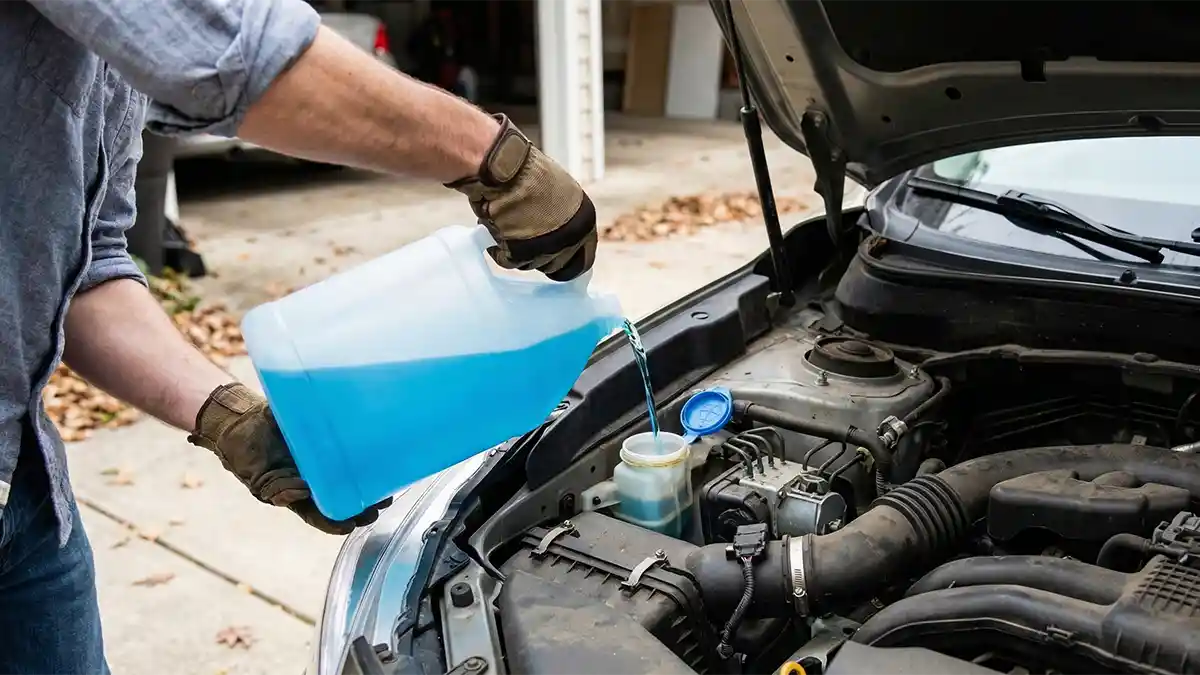
Refilling your windshield washer fluid is a straightforward maintenance task that every car owner can perform. It involves locating the designated reservoir under the hood, typically identified by a windshield symbol, opening its cap, and carefully pouring in the appropriate automotive washer fluid until it reaches the full mark. This simple DIY ensures clear visibility …
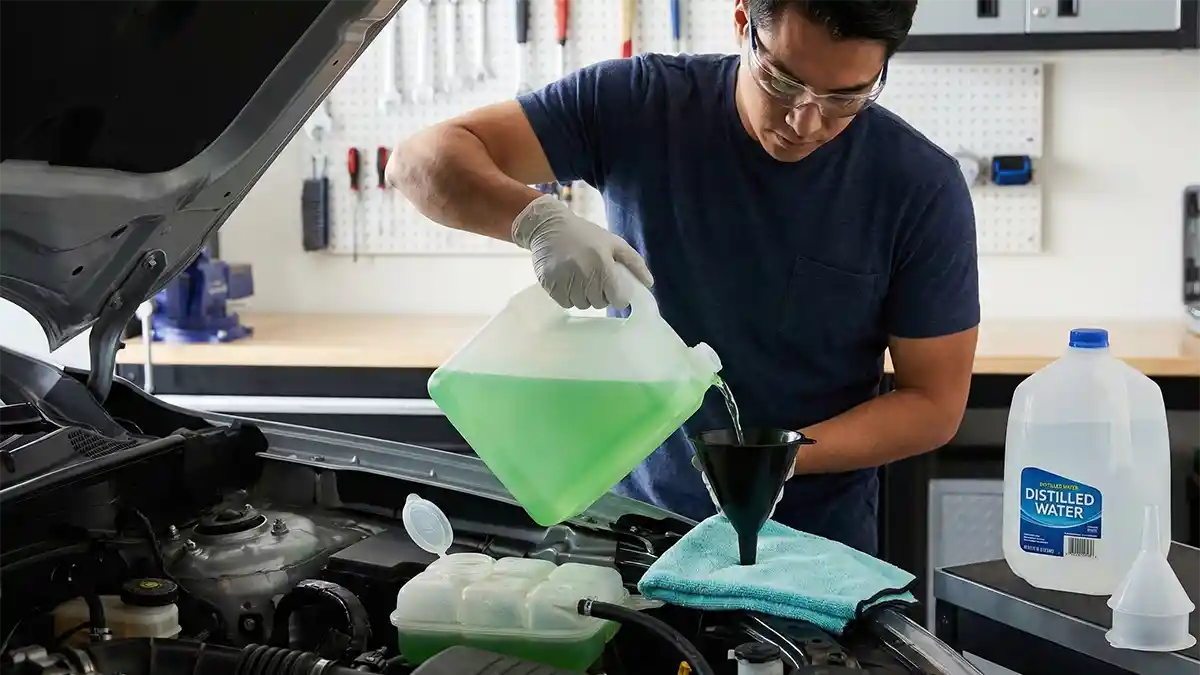
To safely top up coolant, ensure your engine is completely cool to prevent serious burns from hot fluid and steam. Always wear appropriate protective gear, identify the specific coolant type recommended for your vehicle, and locate the coolant reservoir. Carefully add the correct coolant up to the ‘MAX’ line, being cautious not to overfill, and …
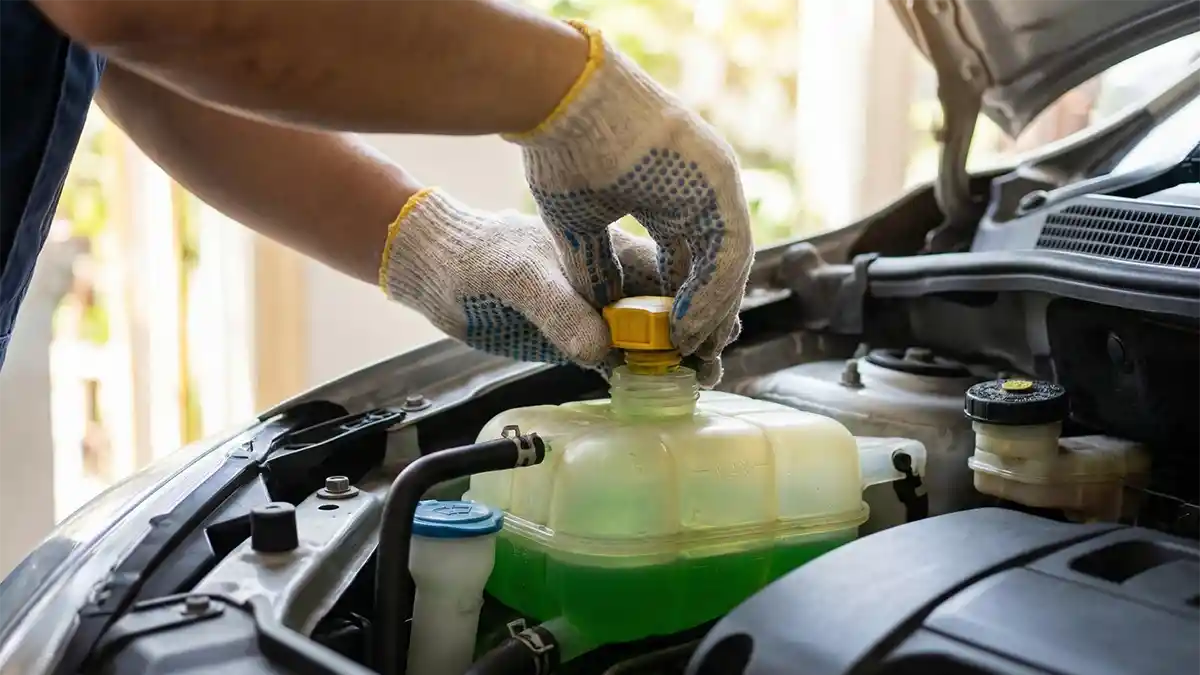
Check coolant level at home safely by inspecting the correct reservoir with the engine cold, using vehicle-specific level marks, and looking for leaks or contamination.
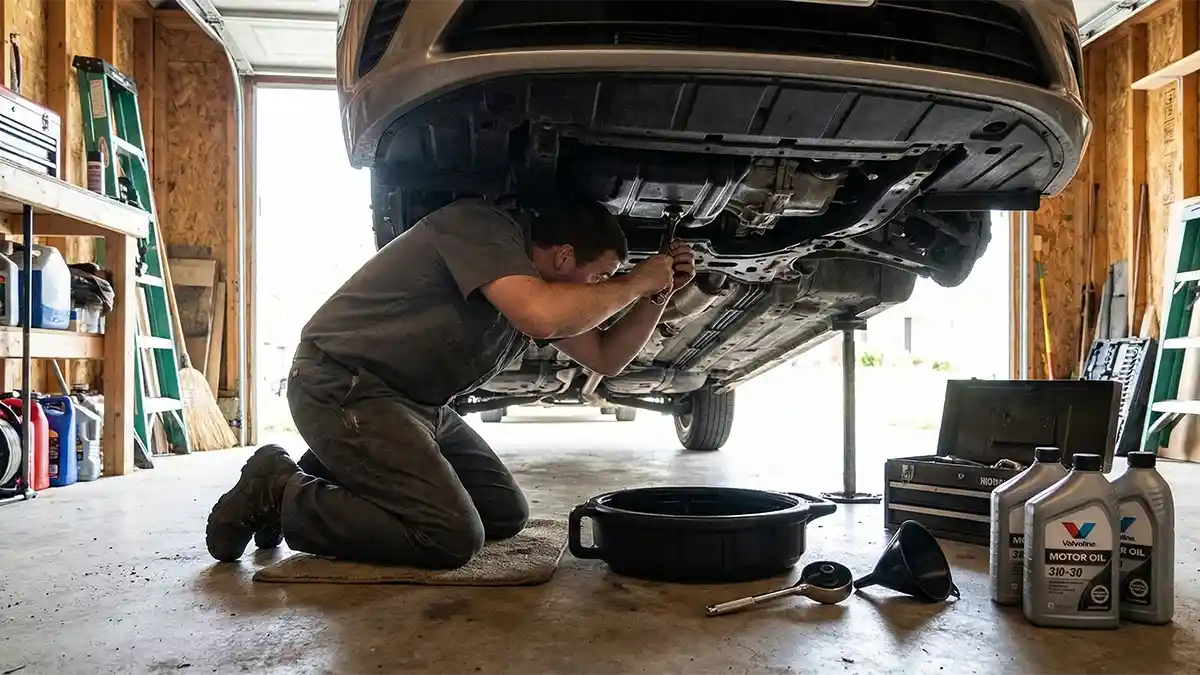
For home mechanics, understanding how often to change engine oil is crucial for vehicle longevity and performance. Generally, conventional engine oil should be changed every 5,000 to 7,500 miles or every 6 months, while synthetic oil typically allows for intervals of 7,500 to 10,000 miles or 12 months. These are general guidelines, and specific intervals …
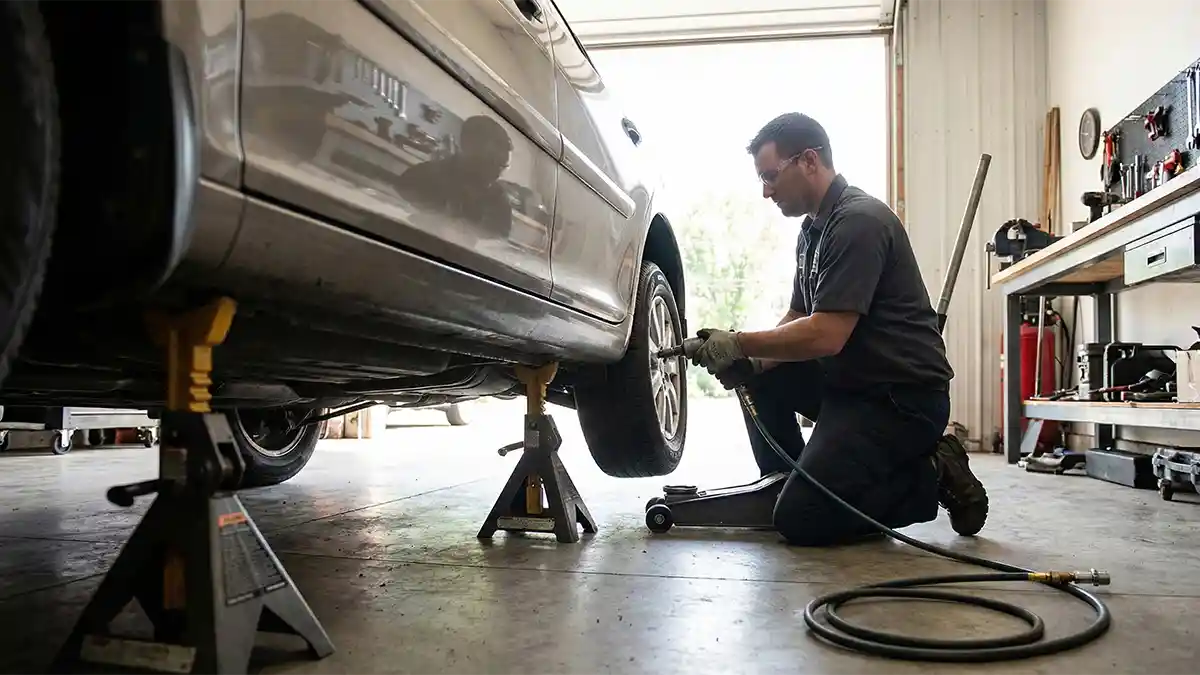
⚠️ Critical Safety Warning Never work under a vehicle supported only by a floor jack. Always use jack stands rated for your vehicle’s weight. Position stands on reinforced frame points only — never on suspension components, body panels, or exhaust. A falling vehicle can cause fatal injuries. Using an impact wrench on jack stands safely …
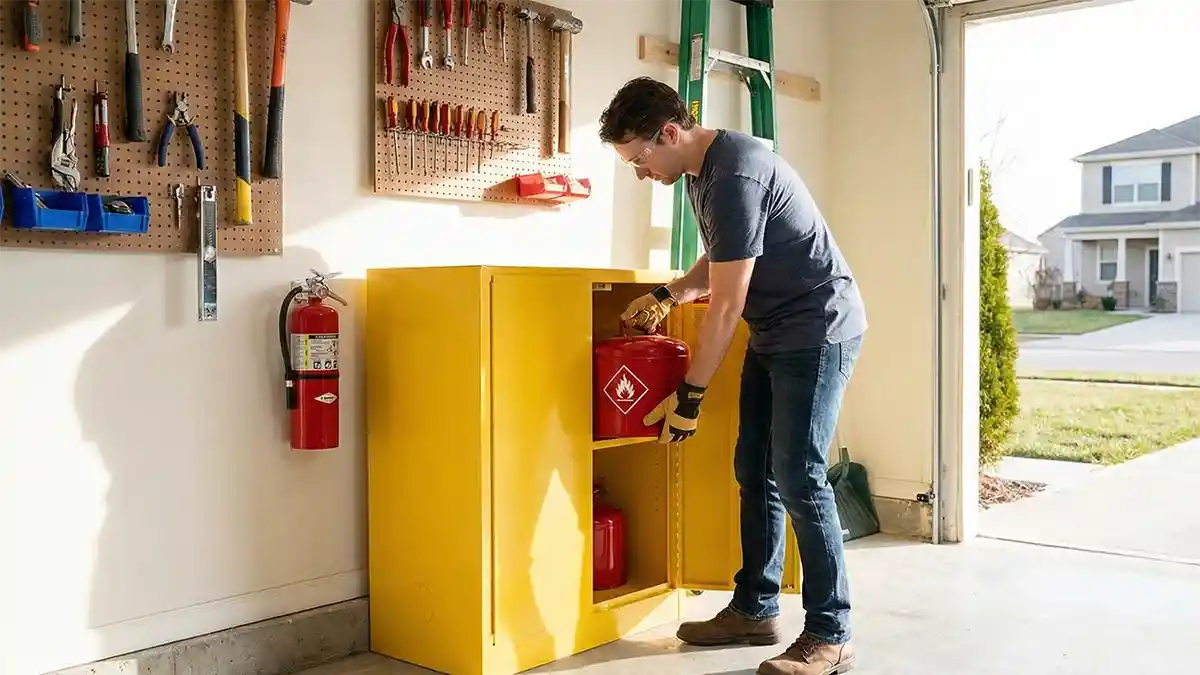
Avoiding fire hazards in a home garage is crucial for safety, involving the identification and mitigation of common risks such as improperly stored flammable liquids, faulty electrical systems, and uncontrolled heat sources. Implementing safe storage practices, ensuring adequate ventilation, maintaining electrical integrity, and having accessible fire extinguishers are fundamental steps to prevent garage fires. Properly …
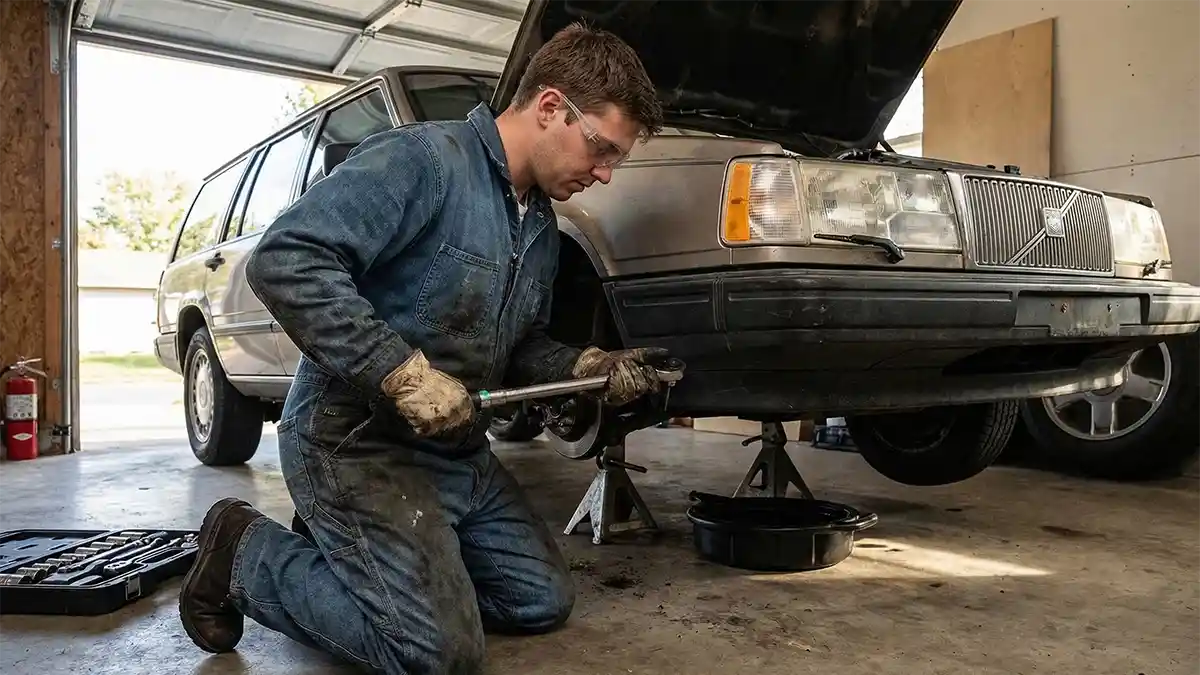
Engaging in DIY car maintenance can be a rewarding experience, but it comes with inherent risks. Wearing proper clothing for DIY car maintenance is not merely about staying clean; it is a critical safety measure that protects you from cuts, burns, chemical exposure, and other potential hazards in the garage. Selecting the right attire can …

Working under a car can be inherently dangerous, but a well-structured emergency plan significantly mitigates risks. An effective plan involves comprehensive preparation, utilizing proper safety equipment like jack stands and wheel chocks, establishing clear communication, understanding basic first aid, and knowing how to safely exit or call for help in an unexpected situation. Always use …