
Working on a car engine can be both exciting and challenging. Whether you are an experienced mechanic or a curious beginner, safety should always come first. Many people get injured each year while working on vehicles, often because they ignore simple precautions.
A single mistake can lead to burns, cuts, fires, or even more serious accidents. Taking the right steps before, during, and after car engine work is not just about protecting yourself, but also about keeping your vehicle in good condition and avoiding costly mistakes.
This guide covers everything you need to know about safety precautions for car engine work. You’ll find practical advice, real-world examples, and non-obvious tips that even some seasoned DIYers miss. Whether you are changing the oil, replacing a belt, or doing a full engine rebuild, these precautions can help make your work safer, smarter, and more efficient.
Preparing For Engine Work: The First Line Of Safety
Before you even open the hood, proper preparation is key. Many accidents happen because people rush or skip basic checks.
- Read the Manual: Every car is different. The owner’s manual or a repair guide will tell you about special engine parts and warnings. Ignoring these can lead to surprises or damage.
- Gather the Right Tools: Using the wrong tool can slip, break, or damage parts. Always use tools designed for automotive work. For example, a torque wrench helps you tighten bolts to the correct level, preventing both over-tightening and under-tightening.
- Check the Work Area: Make sure your work area is well-lit, dry, and clean. Remove clutter and keep tools organized. Spilled oil or tools on the floor can cause slips.
- Plan for Emergencies: Have a fire extinguisher rated for electrical and fuel fires nearby. Keep a first aid kit within reach.
A surprising number of injuries come from using household tools instead of proper automotive tools, or from ignoring the manual’s safety sections. Taking ten extra minutes to prepare can save you hours or even a trip to the hospital.
Personal Protective Equipment (ppe): Your Essential Gear
Wearing the right PPE is a must for anyone working on car engines. Engine compartments contain hot surfaces, sharp parts, and chemicals.
- Gloves: Use mechanic’s gloves to protect your hands from burns, cuts, and chemicals. Avoid loose-fitting gloves that can get caught in moving parts.
- Eye Protection: Safety glasses or goggles shield your eyes from debris, splashes, and sparks. Even a simple job like changing a filter can send dust or metal shards flying.
- Clothing: Wear close-fitting clothes with no hanging parts. Avoid jewelry, long sleeves, or ties that can get caught in belts or fans.
- Hearing Protection: Some engine work, like using impact tools, can be noisy. Earplugs or earmuffs help prevent hearing loss.
- Respirators or Masks: If you are working with fuel, solvents, or brake cleaner, a mask protects you from harmful fumes.
Many beginners forget about eye protection, but even quick jobs can send dangerous particles flying. Don’t skip the basics—your eyes and hands are worth it.
Engine Off And Cool: The Golden Rule
Always start engine work with the engine off and cool. Hot engines, moving belts, or spinning fans can cause severe injuries.
- Never open the radiator cap on a hot engine. The cooling system is under pressure, and hot coolant can spray out and cause serious burns.
- Wait at least 30 minutes after shutting off the engine before working on it. Some parts stay hot for a long time.
- Disconnect the negative battery cable before starting most jobs. This prevents accidental starts and electrical shorts.
A common mistake is forgetting that parts like the exhaust manifold or turbocharger can remain hot enough to burn skin long after the engine is turned off.
Lifting And Supporting The Vehicle Safely
Many engine jobs require you to lift the car or remove heavy parts. Doing this incorrectly is a leading cause of injuries.
| Method | Risk Level | Proper Equipment |
|---|---|---|
| Car Jack Only | High | Hydraulic Jack + Jack Stands |
| Jack Stands | Low | Sturdy Jack Stands on Level Ground |
| Blocks/Bricks | Very High | Never Recommended |
- Always use jack stands after lifting a car. Never rely on the jack alone; it can fail or slip.
- Place the stands on solid, level ground. Avoid working on dirt or sloped surfaces.
- Use wheel chocks to prevent the car from rolling.
- When removing heavy parts like an engine, use a proper engine hoist or crane. Never try to lift heavy engine parts by yourself.
A non-obvious risk: even a slow car roll can cause a jack to tip over. Always double-check that the car is stable before getting underneath.
Handling Fuel, Oil, And Fluids With Care
Car engines use various fluids that are flammable, toxic, or corrosive. Mishandling them can lead to fire, poisoning, or environmental harm.
- Work in a Ventilated Area: Fumes from fuel or cleaners can build up in closed spaces. Open the garage door or use fans.
- Store Fluids Properly: Keep fuel, oil, and chemicals in labeled, sealed containers away from children and heat sources.
- Clean Up Spills Immediately: Oil or fuel on the ground is slippery and flammable. Use absorbent pads or kitty litter to soak up spills.
- Dispose of Fluids Safely: Never pour old oil or coolant down the drain. Many auto shops accept used fluids for recycling.
| Fluid | Hazard | Disposal Method |
|---|---|---|
| Engine Oil | Toxic, Environmental | Recycling Center |
| Coolant | Poisonous to Pets | Hazardous Waste Facility |
| Brake Fluid | Highly Flammable | Certified Disposal Site |
| Gasoline | Fire/Explosion | Special Collection Center |
An often-missed danger is the toxicity of old coolant, which can attract pets and is deadly if ingested. Always store and dispose of it safely.
Electrical Safety: Avoiding Shocks And Shorts
Modern car engines have complex wiring and electronic components. A careless move can cause a short circuit, damage parts, or even start a fire.
- Disconnect the battery negative terminal before working on electrical parts.
- Use insulated tools when working near the battery or fuse box.
- Never touch wires with wet hands.
- Watch for stored energy in components like capacitors, especially in hybrid or electric vehicles.
Many people forget that even with the engine off, some systems (like airbags) can remain active. Always wait a few minutes after disconnecting the battery before touching sensitive electronics.
Fire Safety: Preventing Accidents
Car engines use gasoline and generate heat, so fire is a real risk.
- Keep a fire extinguisher rated for Class B (flammable liquids) and C (electrical) fires nearby.
- Never smoke or use open flames near the engine bay.
- Avoid wearing clothing that can generate static electricity.
- Be careful when using electrical tools; sparks can ignite fumes.
Always check for fuel leaks before starting the engine after repairs. Even a small leak can lead to a fire.
Working With Moving Parts
Some engine components move even when the engine is off, such as the cooling fan (which can switch on automatically).
- Never put your hands near belts, pulleys, or fans unless you are sure the engine and fan are off.
- Remove jewelry and tie back long hair to prevent entanglement.
Surprisingly, some electric fans can start suddenly if the coolant is hot, even with the ignition off.
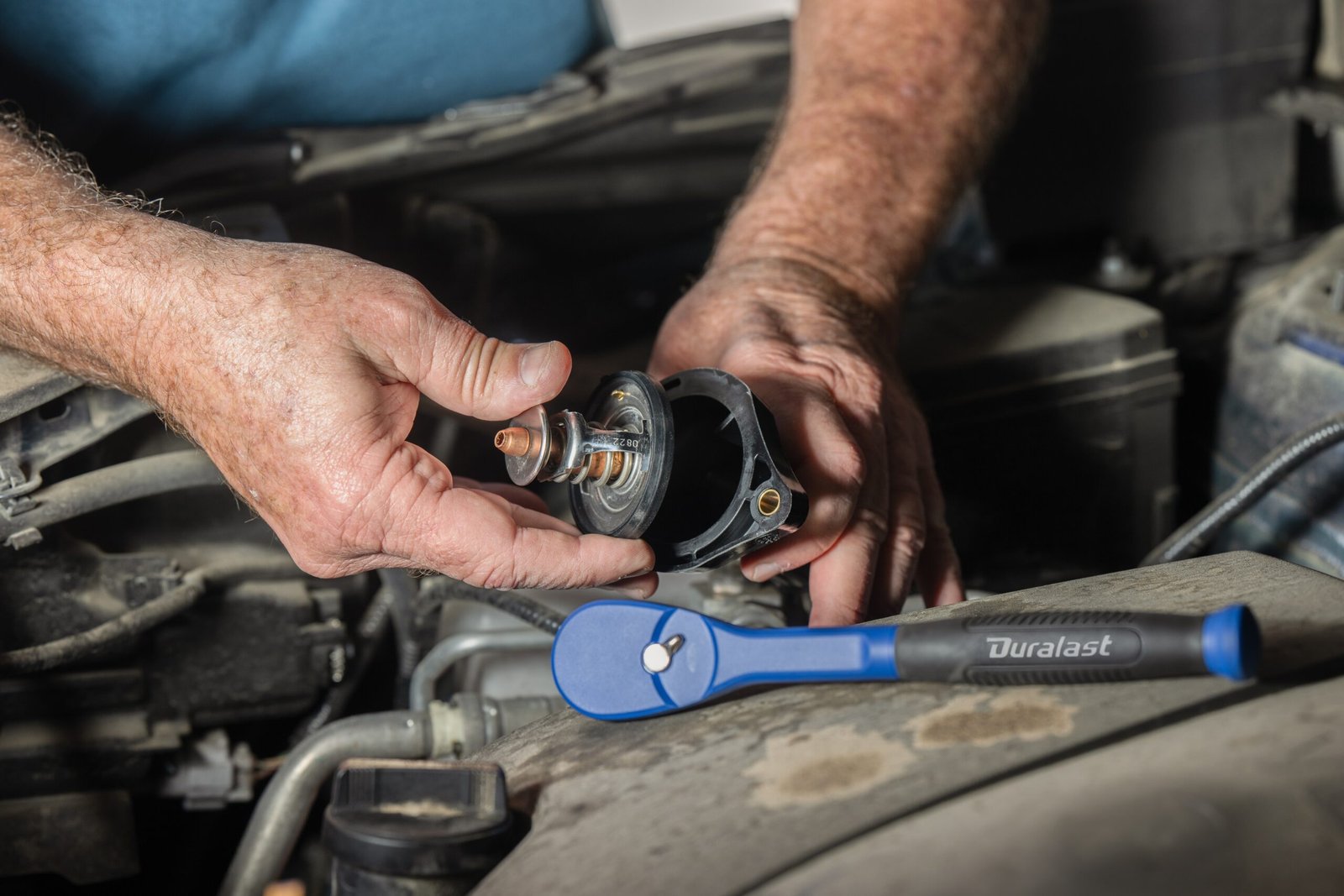
Credit: www.autozone.com
Protecting Your Skin And Lungs
Engine work often involves exposure to chemicals and dust.
- Use barrier creams or wash hands immediately after handling oil or solvents.
- Wear a mask or respirator when working with spray cleaners, grinding, or sanding.
- Avoid using gasoline or brake cleaner to clean your skin; they are toxic and can be absorbed.
A lesser-known fact: Some older cars use asbestos in brake pads or gaskets. Never blow out brake dust with compressed air. Always use a wet cloth or vacuum with a HEPA filter.
Safe Use Of Power Tools
Power tools save time, but they can cause serious injuries if misused.
- Read Instructions: Know how each tool works before using it.
- Check for Damaged Cords: Damaged insulation can cause shocks or fires.
- Keep Tools Maintained: Dull blades or bits can slip and cause accidents.
- Unplug Tools When Changing Accessories: Never change a drill bit or saw blade while plugged in.
Beginners often forget to check that the tool is switched off before plugging it in, leading to accidental starts.
Handling Heavy Parts
Engines and their parts are heavy. Lifting without care can cause back injuries or dropped parts.
- Get help when removing large components.
- Use lifting equipment like hoists or engine stands.
- When moving an engine, keep your back straight and lift with your legs, not your back.
- Clear your path before carrying heavy parts to avoid tripping.
Dropping a heavy part can also damage the engine or car body, not just injure you.
Keeping Your Work Organized
A messy workspace increases the risk of losing parts or making mistakes.
| Organization Method | Benefit |
|---|---|
| Labeled Containers | Prevents lost bolts/nuts |
| Magnetic Trays | Keeps small metal parts safe |
| Step-by-Step Photos | Helps with reassembly |
| Parts Diagrams | Reduces reassembly errors |
It’s easy to lose a small bolt or forget the order of parts. Taking photos as you go can save you hours of confusion during reassembly.
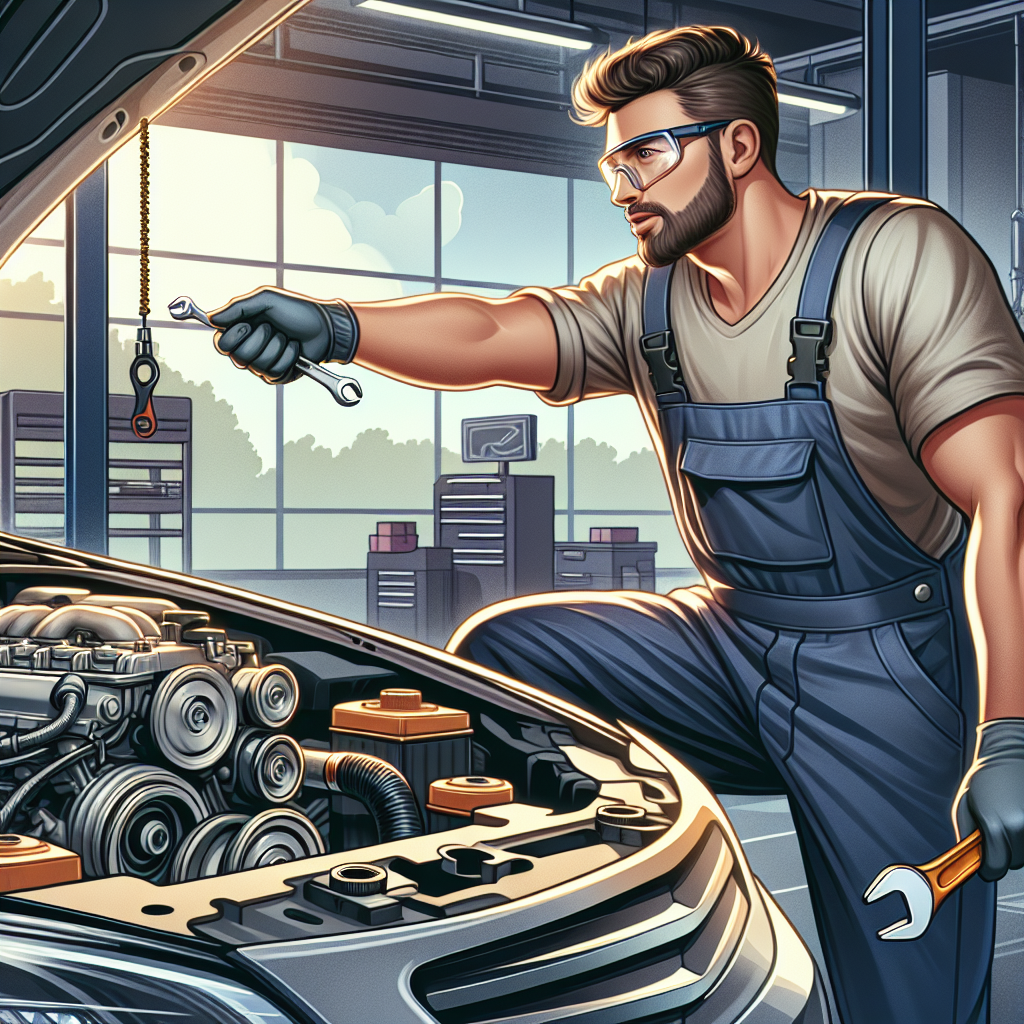
Credit: thelandautorepair.com
Double-check Everything Before Starting The Engine
Before you finish, always go through a final safety check:
- Ensure all tools are removed from the engine bay.
- Reconnect the battery and check for any electrical issues.
- Make sure all fluids are at the right level.
- Check that all bolts and hoses are secure.
- Look for leaks or stray parts.
Skipping this step is one of the most common reasons engines are damaged after a repair.
Staying Informed And Updated
Car technology changes fast. New engines may have different risks, especially with hybrid or electric vehicles. Always look for the latest safety information for your specific car. The National Highway Traffic Safety Administration and OSHA provide reliable, up-to-date guidelines for vehicle safety.

Credit: www.prudentialuniforms.com
Frequently Asked Questions
What Should I Do If I Spill Gasoline While Working On My Car Engine?
If you spill gasoline, stop working right away. Wipe up the spill with absorbent material and dispose of it safely. Open doors and windows for ventilation. Never use electrical tools or create sparks until the area is completely dry and the fumes are gone.
Is It Really Necessary To Disconnect The Battery Before Engine Work?
Yes. Disconnecting the battery, especially the negative terminal, prevents accidental short circuits, shocks, or the engine starting while you work. Some systems, like airbags, can remain active for a few minutes after disconnecting, so wait before touching electrical parts.
Can I Use Household Gloves Or Tools For Car Engine Work?
Household gloves often do not protect against chemicals or sharp edges, and household tools may not fit properly or may break. Always use mechanic’s gloves and automotive tools for safety and effectiveness.
How Do I Know If A Part Is Still Hot After Turning Off The Engine?
Metal parts like the exhaust or turbocharger can stay hot for 30 minutes or more after shutting off the engine. If you’re unsure, lightly tap the part with the back of your hand without direct contact, or use an infrared thermometer.
Are There Special Precautions For Hybrid Or Electric Car Engines?
Yes. Hybrid and electric cars use high-voltage systems that can be deadly. Always follow the manufacturer’s instructions, wear insulated gloves, and never touch orange cables. If you are not trained, avoid working on high-voltage parts.
Taking safety seriously when working on car engines is not just for professionals—it’s essential for everyone. By following these precautions, you protect yourself, your tools, and your vehicle. Remember, careful planning and respect for the risks can turn a dangerous task into a rewarding experience.
Work smart, stay safe, and enjoy the satisfaction of a job well done.