
Welding on a car can be both exciting and challenging. Many people enjoy fixing or upgrading their vehicles themselves, but welding brings special risks. Sparks, heat, and fumes can turn a simple repair into a dangerous situation if you are not careful.
Even experienced welders sometimes forget important steps, leading to costly mistakes or even injuries. Learning proper safety precautions is not just about following rules—it’s about protecting yourself, your car, and those around you.
This guide explains everything you need to know about safety precautions when welding on a car. Whether you are a beginner or have some experience, you will find clear tips, practical advice, and some often-missed details to keep your project safe and successful.
Understanding The Dangers Of Car Welding
Before starting, it’s important to know what makes car welding risky. Welding uses high heat to melt metal, and cars have many sensitive parts that can catch fire, get damaged, or even explode if not handled correctly.
Some common dangers include:
- Fire hazards from sparks and hot metal landing on flammable materials
- Electric shock from welding machines
- Toxic fumes from burning paint, rust, or undercoating
- Damage to car electronics from stray currents
- Personal injuries such as burns, eye damage, and hearing loss
Knowing these risks helps you understand why each safety step is so important.
Preparing The Workspace
A safe welding project starts with a well-prepared workspace. Many people make the mistake of welding in a cluttered garage or near flammable items. Instead, follow these steps:
- Clear the Area: Remove all flammable materials like paper, gasoline, oil, and cleaning fluids from the area. Sparks can travel farther than you think.
- Good Ventilation: Open doors and windows, or use fans to keep fresh air moving. Welding fumes can make you dizzy or sick. Never weld in a closed space.
- Fire Extinguisher Ready: Always keep a class ABC fire extinguisher nearby. Know exactly where it is and how to use it.
- Non-flammable Work Surface: Avoid welding directly on concrete (which can explode if wet) or wood. Use a metal table or weld on the car itself, but make sure the area around is safe.
| Workspace Feature | Safe Practice | Unsafe Practice |
|---|---|---|
| Ventilation | Open garage doors, use fans | Closed, airless spaces |
| Fire Protection | Fire extinguisher within reach | No extinguisher, cluttered space |
| Surface | Metal table, bare car frame | Wood, cardboard, wet concrete |
Personal Protective Equipment (ppe)
Welding without the right gear is dangerous. Many injuries happen because people skip PPE for “just a quick job.” Always use:
- Welding Helmet: Protects your eyes and face from sparks and UV light. Auto-darkening helmets are best, but any proper welding helmet is better than sunglasses or nothing.
- Gloves: Use thick, fire-resistant welding gloves. Ordinary work gloves can catch fire or melt.
- Clothing: Wear long sleeves and pants made of cotton or leather. Synthetics can melt onto your skin.
- Boots: Use closed-toe, leather boots. Avoid sneakers or sandals.
- Respirator: For some jobs, especially on painted or rusted metal, use a welding respirator to avoid breathing toxic fumes.
- Ear Protection: Grinding and welding can be loud. Earplugs or earmuffs help prevent hearing loss.
| PPE Item | Purpose | Common Mistake |
|---|---|---|
| Welding Helmet | Eye/face protection from UV and sparks | Using sunglasses instead |
| Gloves | Hand protection from burns | Using cotton or bare hands |
| Respirator | Protects lungs from fumes | Ignoring fume risks |
Pro Tip: Even if you’re just “tacking” something quickly, always wear full PPE. Tiny burns can lead to infections or lasting scars.
Preparing The Car
Welding on a car is not like welding on a piece of scrap metal. Cars have delicate electronics, flammable materials, and even hidden airbag circuits. Take these steps to protect your car:
- Disconnect the Battery: Always remove the negative cable from the battery. For extra safety, remove both cables and wait 10-15 minutes. This prevents electrical damage and accidental airbag deployment.
- Protect Sensitive Parts: Cover glass, seats, and plastic trim with welding blankets or aluminum foil. Sparks can pit glass or melt plastic.
- Remove Flammable Items: Take out the gas tank if welding near it. Remove carpets, insulation, and seat covers around the welding area.
- Check for Hidden Wires: Modern cars have wires running everywhere. Check behind panels before drilling or welding.
- Ground the Welder Properly: Attach the ground clamp as close to the weld area as possible. This reduces the risk of electrical current passing through other components.
Special Note On Electronics
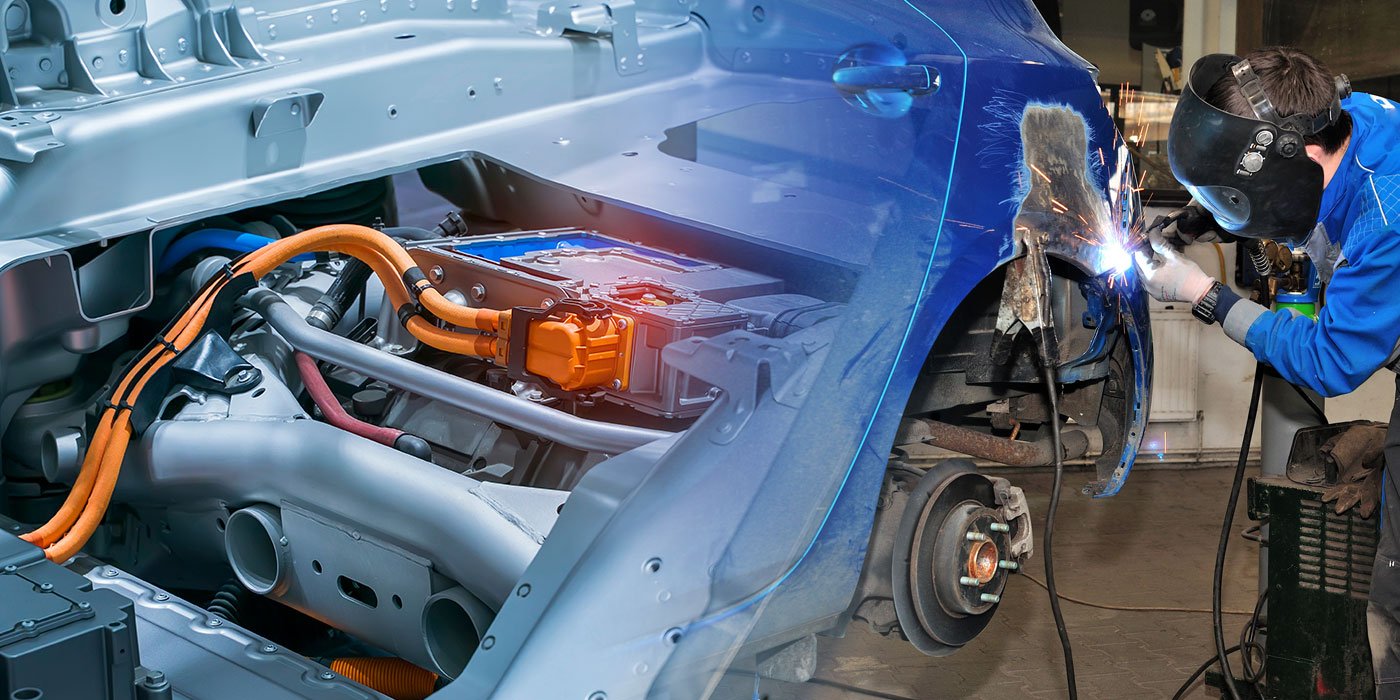
Modern cars have many computers and sensors. Stray welding current can fry these systems, costing thousands to repair. Some shops use electronic surge protectors or battery “memory savers,” but disconnecting the battery and grounding well is usually enough for DIY jobs.
Credit: www.bodyshopbusiness.com
Fire Prevention Strategies
Fire is the biggest danger when welding on cars. Here is how to avoid disaster:
- Wet Down the Area: If you’re working near carpets or undercoating, spray them lightly with water to reduce fire risk.
- Welding Blankets: Use fire-resistant blankets to cover anything that might catch fire.
- Have a Spotter: If possible, have someone nearby to watch for smoke or fire while you weld.
- Take Breaks: Stop every few minutes to check for smoke or heat buildup, especially after long welds.
- Check After Finishing: Fires often start after you finish, as sparks smolder. Stay and watch the area for at least 30 minutes after welding.
Example: A common mistake is welding over the fuel tank area without removing the tank. Even a small spark can ignite fumes, causing a major explosion.
Fume And Gas Safety
Welding creates fumes and gases that can harm your lungs or make you feel sick. This is especially true when welding painted or undercoated car parts.
- Work Outside When Possible: If you can, weld outdoors to avoid fume buildup.
- Use a Fume Extractor: In a garage, use a fume extraction fan or portable fume extractor.
- Avoid Breathing Directly Over the Weld: Position yourself so fumes move away from your face.
- Check for Toxic Materials: Some older cars have lead-based paint or asbestos insulation. If you suspect this, consult a professional before welding.
Non-obvious insight: Even “mild steel” can produce dangerous fumes if it has zinc coating (galvanized steel), which is common on newer cars.
Choosing The Right Welding Method
Different welding methods have different risks. The most common car welding types are MIG welding, TIG welding, and stick welding.
| Welding Type | Best For | Safety Concerns |
|---|---|---|
| MIG Welding | Body panels, thin metal | Produces lots of sparks, moderate fumes |
| TIG Welding | Precise, clean welds | Bright arc (eye danger), less fumes |
| Stick Welding | Thicker frames, heavy duty | Lots of slag, strong fumes, more spatter |
- MIG welding is the most popular for car repairs because it’s fast and easier to learn.
- TIG welding is cleaner but slower and needs more skill.
- Stick welding is less common for car bodies but good for frames.
Tip: Always choose the method that matches your skill level and the thickness of the metal.
Handling Gas Cylinders And Power Tools
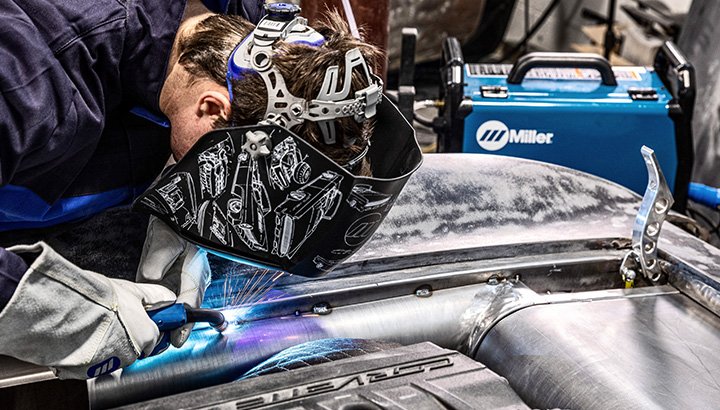
Welding often means using compressed gas cylinders (for shielding gas) and various power tools for cutting or grinding.
- Store Cylinders Upright: Always secure gas bottles so they can’t fall over. A broken valve can turn a cylinder into a rocket.
- Check Hoses and Regulators: Look for leaks with soapy water, not an open flame.
- Unplug Tools When Not in Use: Power tools can start fires if accidentally turned on.
- Keep Sparks Away From Gas: Never cut or grind near gas cylinders or fuel lines.
Credit: www.millerwelds.com
Safe Welding Techniques
How you weld also affects safety. Good technique prevents accidents and makes better welds.
- Short Welds: Instead of long, continuous welds (which build up heat), use short welds to avoid overheating metal and starting fires.
- Clean Metal First: Remove paint, rust, and undercoating before welding. This makes a safer, stronger weld and reduces toxic fumes.
- Clamp Workpieces: Always clamp your metal pieces. Unstable parts can fall or shift, causing burns or bad welds.
- Check Cables and Leads: Inspect all welding cables for cracks, burns, or exposed wire before starting.
Example: Many beginners forget to clean undercoating or seam sealer from the weld area. These materials can catch fire or produce toxic smoke.
Electrical Safety
Welding uses high voltage and current. Electrical shock is a real risk, especially in wet or sweaty conditions.
- Dry Gloves and Clothes: Never weld with wet gloves or clothing.
- Insulated Tools: Use tools with insulated handles to reduce shock risk.
- Proper Grounding: Attach the welder’s ground clamp directly to the car’s frame or as close to the weld area as possible.
- Check Power Supply: Make sure your garage outlets can handle the welder’s power needs. Overloaded circuits can cause fires.
After-weld Checks And Cleanup
Safety does not end when the weld is finished.
- Check for Hot Spots: Feel (carefully, with gloves) for heat around the weld area.
- Look for Hidden Fires: Check under carpets, inside doors, or behind panels for smoke or heat.
- Ventilate the Area: Let fumes clear out before spending more time near the car.
- Reconnect Battery Last: Only reconnect the car battery when you are sure the area is cool and safe.
Common Mistakes And How To Avoid Them
- Skipping PPE for Short Jobs: Even a quick tack weld can cause injury.
- Not Disconnecting the Battery: This can lead to damaged electronics or accidental airbag deployment.
- Welding Near Flammable Areas: Always remove or protect anything that can burn.
- Poor Ventilation: Fumes build up quickly and can cause lasting health problems.
- Failing to Check for Fires: Fires often start after you leave. Always double-check.
Credit: tikweld.com
Learning And Improving Skills
Welding on cars takes practice, but safety should always come first. If you are new to welding, consider a short training course or watch professional tutorials. Many community colleges offer evening classes. For more in-depth guidance, check resources like the Welding Wikipedia page.
Frequently Asked Questions
What Is The Most Important Safety Step Before Welding On A Car?
Disconnecting the car battery is the most important step. This prevents electrical damage and reduces the risk of accidental fires or airbag deployment.
Can I Weld Inside A Closed Garage?
No. Good ventilation is essential. Always open doors and windows, and use fans to move fumes outside. Welding in a closed garage can lead to dangerous fume buildup.
Is It Safe To Weld Near The Gas Tank?
Never weld near the gas tank unless it has been completely removed and the area is clear of fumes. Even empty tanks can have explosive vapors.
What Type Of Clothing Should I Wear?
Wear thick cotton or leather clothing, long sleeves, pants, and closed-toe boots. Avoid synthetic fabrics, as they can melt and cause burns.
Do I Need A Special Fire Extinguisher For Welding?
Yes. Use a class ABC fire extinguisher that works on electrical, flammable liquid, and ordinary fires. Make sure it is nearby and everyone knows how to use it.
Taking your time to set up properly and never skipping safety steps is key to successful car welding. A few extra minutes of preparation can prevent injuries, car damage, or worse. When in doubt, ask a more experienced welder or consult trusted resources.
Your safety, and the future of your car, are worth it.