
Working on hybrid cars is different from working on regular gasoline vehicles. Hybrid cars combine electric motors with traditional engines, and these systems use high-voltage batteries that can be dangerous if not handled correctly. As hybrid vehicles become more common, understanding the right safety precautions is critical for anyone who repairs, maintains, or even inspects these cars. Many experienced mechanics have faced unexpected shocks—sometimes literally—when they underestimated the risks. If you want to work safely and confidently around hybrid cars, you need to know what makes them unique and how to protect yourself.
Why Hybrid Cars Need Special Safety Measures
Hybrid vehicles use electricity and fuel together. The electrical parts can carry high voltage, often between 100 to 600 volts. This is much higher than the 12-volt systems in traditional cars. Even when the car is turned off, the battery can still hold a dangerous charge. This makes hybrid cars potentially life-threatening if you do not follow proper safety steps.
There are also unique components in hybrids, like electric drive motors, inverters, and complex wiring systems. These parts are tightly packed, sometimes hidden, and require specific handling. Standard safety gear and procedures may not be enough. Ignoring these differences can lead to severe injuries, costly mistakes, or even fatal accidents.
Personal Protective Equipment (ppe) For Hybrid Car Work
Wearing the right gear reduces your risk of electrical shock and other injuries. For hybrid vehicles, PPE is not just a suggestion—it is essential.
- Insulated gloves: Always wear high-voltage insulated gloves rated for at least 1000 volts. Check for tears or damage before every use.
- Face shield and goggles: Protects your eyes from sparks, flying debris, or unexpected electrical arcs.
- Rubber-soled shoes: These help prevent grounding, reducing the risk of shock if you touch a live part.
- Flame-resistant clothing: In case of an arc or fire, regular clothes may catch fire easily. Use clothes rated for electrical work.
- Insulating mats: If you must stand while working on high-voltage systems, use a mat designed to block electricity.
Many injuries happen because mechanics skip one of these items thinking “it’s just a quick job. ” Don’t take shortcuts—safety gear only works if you use it every time.
Identifying High-voltage Components
Hybrid vehicles have parts that look similar to normal car parts but carry much more risk. Knowing which ones are dangerous is critical.
- High-voltage battery pack: Usually located under the rear seat, trunk, or floor.
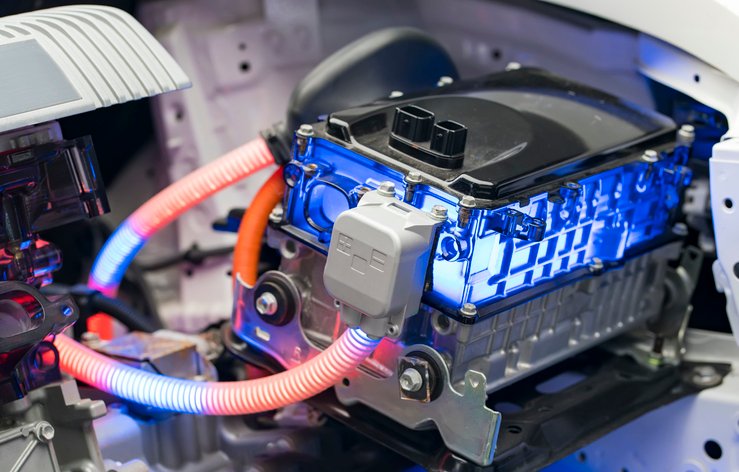
- Orange cables and connectors: Most manufacturers use orange to mark high-voltage wiring.
- Inverter/converter units: These change DC to AC power and can store energy even after the car is off.
- Electric motor/generator: Often hidden inside the transmission area.
Never touch, cut, or disconnect orange components unless you have fully powered down the system and confirmed it is safe. Some batteries can even deliver dangerous shocks days after the car is turned off.
Powering Down The Hybrid System Safely
Before any repairs, you must remove all sources of high voltage. This process is called powering down or de-energizing the hybrid system.
- Turn off the ignition and remove the key: Some hybrids have “smart” keys—make sure the key is far from the vehicle.
- Disconnect the 12V battery: This stops most control circuits from working.
- Remove the service plug: Hybrid batteries usually have a special plug or switch to disconnect the high-voltage circuit.
- Wait for capacitors to discharge: After disconnection, wait at least 10 minutes. Some parts store energy even after power is off.
- Double-check with a voltmeter: Always test the orange cables to make sure there is no voltage present before you begin.
Here’s how different steps compare in importance:
| Step | Main Purpose | Time Needed | Risk if Skipped |
|---|---|---|---|
| Turn off ignition | Stop engine and hybrid drive | 1 minute | System could restart |
| Disconnect 12V battery | Disable control circuits | 3 minutes | Unexpected activation |
| Remove service plug | Break high-voltage circuit | 2 minutes | High-voltage still live |
| Wait for discharge | Let capacitors release energy | 10+ minutes | Stored energy shock |
| Check with voltmeter | Confirm zero voltage | 2 minutes | Possible fatal shock |
Skipping any of these steps can mean the difference between a safe job and a trip to the hospital.
Credit: www.autotrainingcentre.com
Safe Handling And Storage Of High-voltage Batteries
Hybrid batteries are heavy, expensive, and hazardous. If you need to remove or transport one, follow these tips:
- Never carry batteries alone. Most hybrid packs weigh over 40 kg (88 lbs).
- Place batteries on insulated surfaces. Avoid metal tables or wet floors.
- Keep away from flammable materials. Battery fires are difficult to stop.
- Label and isolate used batteries. Mark them clearly and keep them away from regular waste.
- Store at recommended temperatures. High heat or freezing cold can damage batteries and increase risk.
Some batteries can “self-discharge” and become dangerous again after storage. Always check voltage before handling, even if the battery has been sitting for weeks.
Emergency Procedures And First Aid
Even with good precautions, accidents can happen. Everyone working on hybrid cars should know basic emergency steps.
- If someone is shocked: Do not touch the person directly. Cut power at the source, then use a non-conductive tool (like a wooden stick) to separate them from the battery.
- If a fire starts: Use a Class D fire extinguisher, which works on lithium or nickel-metal hydride batteries. Water may not be effective and can sometimes make things worse.
- Chemical burns or leaks: Hybrid batteries contain strong chemicals. If contact occurs, flush skin or eyes with water for at least 15 minutes and get medical help.
- Call for help: Always have emergency numbers nearby. Tell responders it’s a hybrid vehicle.
A common mistake is trying to move an injured person away from the car. If high voltage is still present, this puts you at risk. Always make sure the system is fully de-energized first.
Training And Certification
Working on hybrid cars requires special knowledge. Many accidents happen when people think hybrid repairs are just like regular cars.
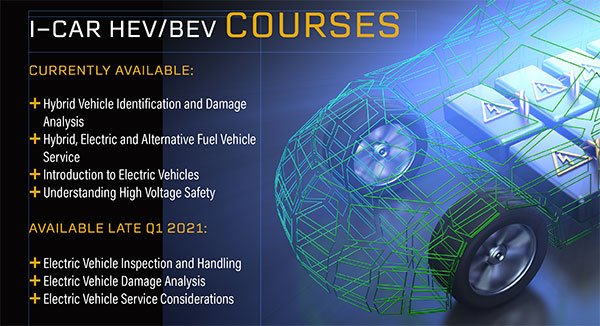
- Take certified courses: Many automakers and technical schools offer hybrid vehicle safety training.
- Stay updated: Technology changes quickly. Regular refresher courses are important.
- Follow manufacturer guides: Each car model can be different. Always use the official repair manual.
Some insurance companies may not cover shops that let untrained staff work on hybrids. Proper certification also boosts your credibility with customers.
Tools For Hybrid Car Safety
Using the right tools makes hybrid work safer and easier.
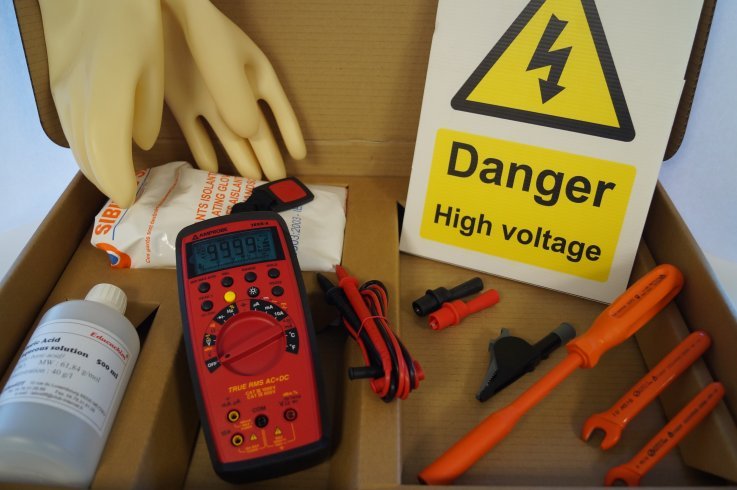
- Insulated hand tools: Wrenches, screwdrivers, and pliers should be rated for high voltage.
- Digital voltmeters: These are used to check if a system is truly off before starting work.
- High-voltage warning signs: Place these around your work area to remind others of the danger.
- Battery lifting equipment: Hoists or carts reduce strain and prevent accidents with heavy packs.
- Lockout/tagout kits: These help ensure that nobody accidentally reconnects power while you are working.
Here’s a quick comparison between regular and hybrid car tool requirements:
| Tool Type | Standard Car | Hybrid Car |
|---|---|---|
| Hand tools | Standard metal tools | Insulated to 1000V |
| Voltage tester | Basic test light | Digital voltmeter (high-voltage) |
| Protective clothing | Regular uniform | Flame-resistant & insulated |
| Work area signage | Not usually needed | High-voltage warning signs |
Trying to “make do” with the wrong tool can lead to equipment damage or injury. Invest in the right gear.
Credit: www.bodyshopbusiness.com
Common Mistakes When Working On Hybrid Cars
Many safety problems happen because of simple errors. Here are some to avoid:
- Assuming the car is off: Some hybrids are silent at idle and can start moving unexpectedly.
- Skipping voltage checks: Relying only on turning off the ignition is dangerous.
- Mixing up cables: Not all wires are color-coded the same way in every vehicle.
- Improper battery storage: Placing batteries on metal or near heat sources can cause fires.
- Working alone: Always have someone nearby who can help in an emergency.
A less obvious mistake is forgetting about “hidden” high-voltage parts. Some inverters or capacitors are not marked clearly but can still shock you. Always trace the wiring and check diagrams before touching anything.
Environmental And Disposal Precautions
Hybrid batteries are not just dangerous—they are also an environmental hazard if not disposed of properly.
- Never throw batteries in regular trash. They can leak chemicals or start fires.
- Use certified recycling centers. Most countries have special rules for hybrid battery disposal.
- Avoid breaking or opening battery packs. This releases toxic chemicals.
- Document removal and disposal. Some regions require paperwork to show proper handling.
For more on safe battery disposal, see the EPA guide on lithium-ion batteries.
Credit: aideautomotive.com
Building A Safe Workshop Environment
The place where you work matters as much as your tools and skills.
- Keep the area clean and dry. Water increases the risk of electrical shock.
- Install proper ventilation. Batteries can emit gases, especially if damaged.
- Have emergency exits clear. If a fire or leak occurs, you need a quick escape route.
- Train everyone in the shop. Even those not working directly on hybrids should know basic safety.
Put up clear signs, store all high-voltage tools and PPE together, and regularly review your safety setup.
Non-obvious Insights For Hybrid Car Safety
Many beginners miss these important points:
- Stored energy is not always obvious. Capacitors can hold a deadly charge even if the battery is removed. Use a voltmeter on all orange wiring, not just the battery.
- Hybrids can “wake up” unexpectedly. Some models turn on when the key fob is nearby, or during diagnostics. Always keep keys far away from the work area.
- Personal electronics can cause interference. Phones, smart watches, and other devices may interfere with hybrid systems or accidentally trigger high-voltage circuits. Avoid carrying them in your pockets while working.
Frequently Asked Questions
What Should I Do If I Accidentally Touch A High-voltage Cable?
Immediately move away from the cable. If you feel a shock, seek medical help—even if you feel fine. High-voltage injuries can cause internal damage that is not obvious right away.
Can I Work On Hybrid Cars With Regular Mechanic Tools?
No, you need insulated tools rated for high voltage. Using standard metal tools increases your risk of shock and equipment damage.
How Do I Know If The Hybrid System Is Really Off?
After following shutdown steps, always use a digital voltmeter to check for voltage on all high-voltage cables and connectors. Never assume a system is safe without testing.
Are Hybrid Car Batteries Dangerous Even After Being Removed From The Car?
Yes. Hybrid batteries can still hold a dangerous charge even when disconnected. Handle them with care, store properly, and always check voltage before touching.
What Is The Safest Way To Dispose Of A Hybrid Battery?
Take the battery to a certified recycling center. Do not open, burn, or throw it in regular trash. Follow local laws and document the disposal process.
Staying safe while working on hybrid cars requires more than just common sense—it demands training, the right equipment, and a strict process every time. By following these precautions, you can protect yourself, your coworkers, and your workshop from the unique hazards of hybrid vehicle technology.