
Most people don’t think much about spark plugs until their car starts to misbehave. You might notice rough idling, trouble starting, or a sudden drop in fuel efficiency. While these symptoms can have many causes, spark plugs are often the silent culprit. Knowing when to replace spark plugs in a car can save you money, keep your engine running smoothly, and prevent unexpected breakdowns. This guide will help you understand all the important details—from the basics to advanced tips—so you feel confident about spark plug maintenance.
What Are Spark Plugs And Why Do They Matter?
Spark plugs are small but powerful parts. They create the spark needed to ignite the fuel in your engine. Without spark plugs, your car’s engine won’t run. Each cylinder in your engine has a spark plug, and these plugs work thousands of times every minute. Over time, they wear out and lose effectiveness.
A worn spark plug can cause:
- Poor acceleration
- Hard starting
- Decreased fuel economy
- Engine misfires
- Higher emissions
For most cars, spark plugs are not expensive, but ignoring them can lead to costly repairs. For example, a misfiring plug can damage your catalytic converter—a much more expensive part to replace.
How Often Should You Replace Spark Plugs?
The right time to change spark plugs depends on many factors. There’s no single answer for every car. Here’s what affects spark plug life:
Manufacturer Recommendations
Most car makers specify when to replace spark plugs. This information is in your owner’s manual. For many cars, the interval is:
- Copper spark plugs: 20,000–30,000 miles (32,000–48,000 km)
- Platinum spark plugs: 60,000–100,000 miles (96,000–160,000 km)
- Iridium spark plugs: 100,000+ miles (160,000+ km)
Iridium plugs last longest but cost more. Copper plugs are cheaper but wear faster. Using the right type for your engine is important.
Driving Conditions
Your driving habits and environment matter. Spark plugs wear faster if you:
- Drive in stop-and-go traffic often
- Use your car for short trips only
- Drive in extreme temperatures (hot or cold)
- Have an older engine or poor fuel quality
For example, city driving can cause plugs to foul faster compared to highway driving.
Age And Mileage
Even if you don’t drive much, spark plugs can age. The metal inside the plug can corrode over years. If your car is older than recommended intervals—even with low mileage—it’s smart to check the plugs.
Engine Type
Some engines, like turbocharged or high-performance models, stress spark plugs more. These engines may need new plugs sooner.
Signs Your Spark Plugs Need Replacing
Sometimes, you don’t have to wait for the recommended interval. Your car tells you when plugs are worn out. Watch for these signs:
- Trouble starting: Harder to start, especially in cold weather.
- Engine misfires: The engine shakes or hesitates.
- Poor fuel economy: You notice you’re filling up more often.
- Rough idling: The engine feels shaky or noisy when stopped.
- Slow acceleration: The car feels sluggish.
- Check engine light: This can signal misfire or plug issues.
If you spot these symptoms, check your plugs—even if you haven’t reached the mileage limit.
How To Check Spark Plugs For Wear
You don’t need to be a mechanic to inspect spark plugs, but it helps to know what to look for. Here’s a step-by-step guide:
- Locate the spark plugs: Usually found at the top of the engine, with thick wires attached.
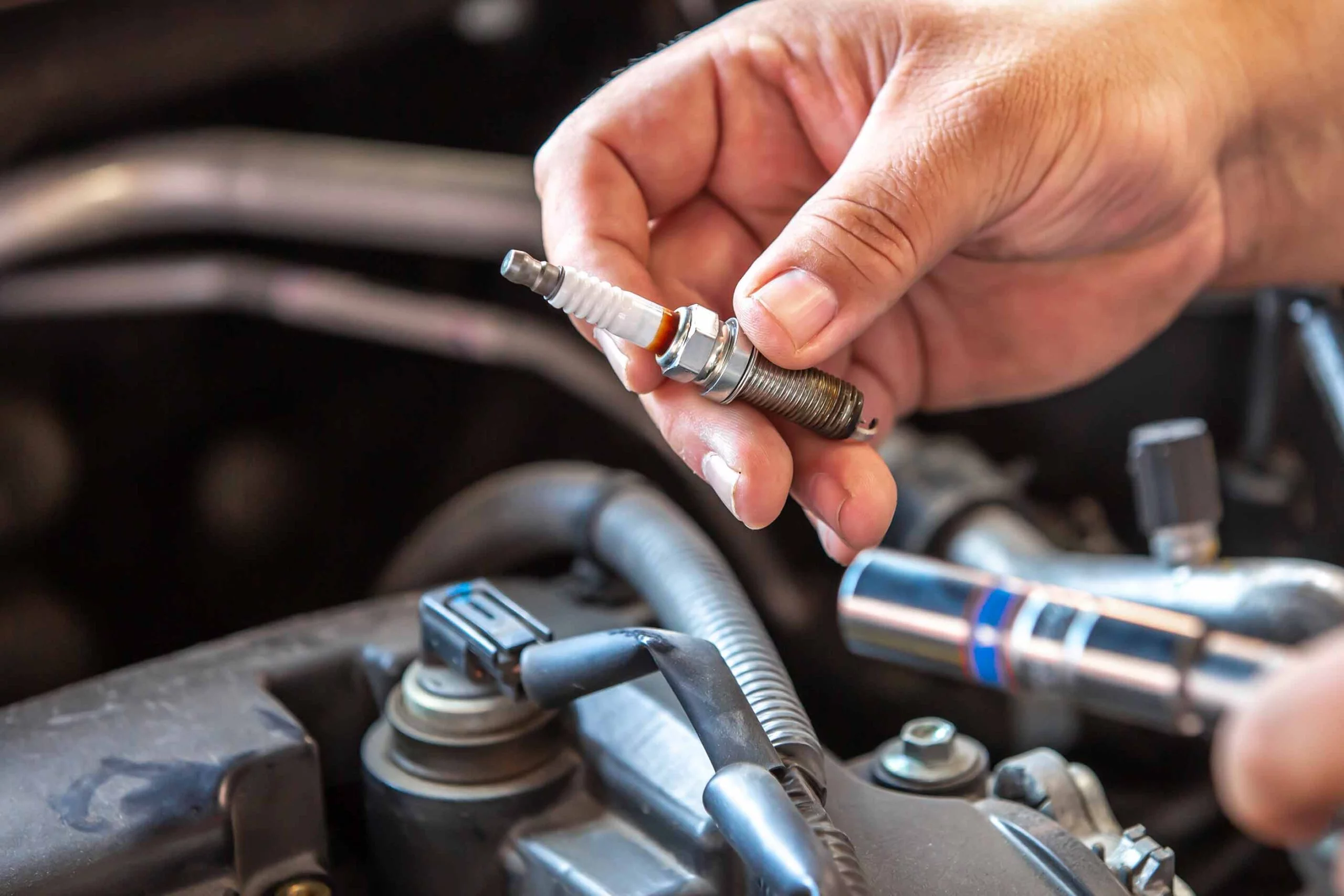
- Remove the plug: Use a spark plug socket and wrench. Be gentle.
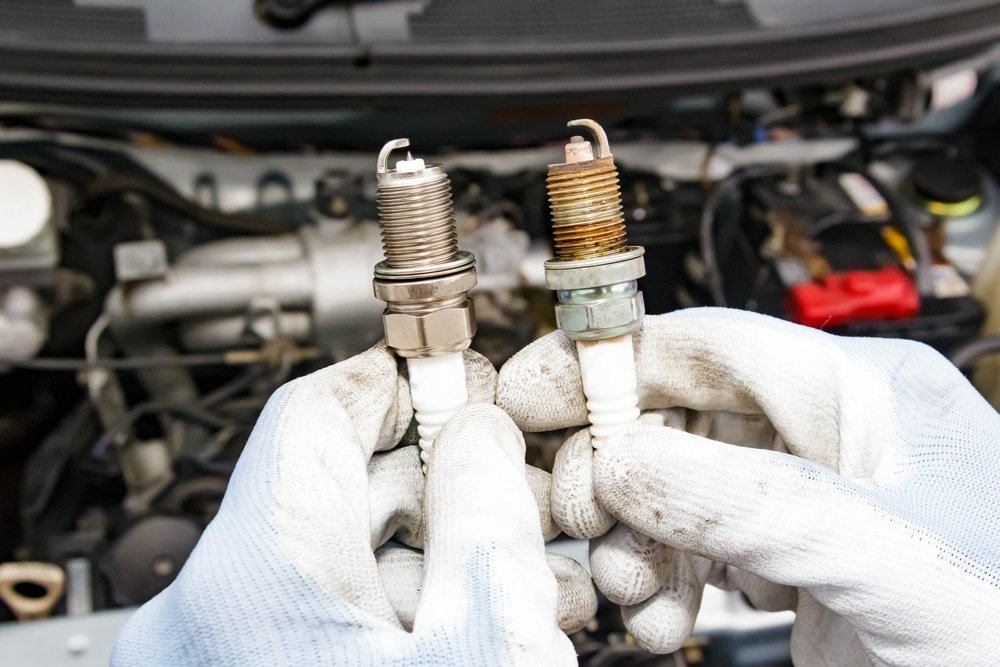
- Inspect the plug: Look for signs of wear.
Here’s a quick comparison of what you might see:
| Condition | What It Looks Like | What It Means |
|---|---|---|
| Normal | Light tan or gray color | Plug is working well |
| Worn | Rounded electrode, excessive gap | Plug needs replacement |
| Fouled | Black, oily, or sooty | Possible engine issue or wrong plug |
| Damaged | Cracked insulator or burnt tip | Plug failed, replace immediately |
If you see fouling or damage, replace the plug and check for engine problems.
Spark Plug Replacement: Step-by-step Process
Replacing spark plugs isn’t difficult, but it requires patience and the right tools. Here’s a basic guide:
- Let the engine cool: Spark plugs are easier to remove from a cool engine.
- Remove plug wires: Pull gently from the boot, not the wire.
- Unscrew the old plug: Use a spark plug socket.
- Check the gap: Use a gap tool to measure the space between electrodes. Most new plugs are pre-gapped, but always check.
- Install the new plug: Screw in by hand first, then tighten with the socket.
- Reattach wires: Push the boot firmly onto the plug.
If you’re unsure, ask a mechanic or watch a trusted video guide. Mistakes can damage the engine.
Choosing The Right Spark Plugs
Picking the correct spark plug matters. Not all plugs fit all engines. Here are key points:
- Material: Copper, platinum, or iridium. Iridium lasts longest.
- Heat range: Some engines need hotter or colder plugs.
- Size and thread: Must match your engine’s specs.
- Brand: Stick with trusted brands for reliability.
Check your owner’s manual or ask an auto parts store for advice.
Comparison Of Spark Plug Types
Here’s a simple table showing differences:
| Type | Average Lifespan | Cost (USD) | Performance |
|---|---|---|---|
| Copper | 20,000–30,000 miles | 2–4 | Basic, good for older engines |
| Platinum | 60,000–100,000 miles | 4–8 | Better durability |
| Iridium | 100,000+ miles | 8–15 | Best performance, longest life |
Most modern cars use iridium plugs, but always check your manual.
Common Mistakes When Replacing Spark Plugs
Many beginners make mistakes that can cause problems:
- Wrong plug type: Using the wrong material or size can harm the engine.
- Over-tightening: This can crack the plug or damage the threads.
- Not checking the gap: Incorrect gap can cause misfires.
- Mixing up plug wires: Leads to wrong firing order and engine issues.
- Ignoring signs of engine trouble: If plugs are fouled, check for other problems.
Experienced mechanics often find that new DIYers skip checking the gap or overtighten plugs. Always follow manufacturer torque specs.
Credit: www.autostop.com.au
How Spark Plug Replacement Impacts Performance
Replacing spark plugs at the right time keeps your engine running its best. Here’s how:
- Improved fuel efficiency: New plugs burn fuel better, saving money.
- Smooth starting: No more hard starts or hesitation.
- Cleaner emissions: Worn plugs can cause higher pollution.
- Stronger acceleration: You’ll feel more power when you step on the gas.
- Longer engine life: Prevents damage to expensive parts.
A study by the U.S. Department of Energy found that misfiring spark plugs can reduce fuel economy by up to 30%. That’s a big difference for any driver.
Advanced Tips For Spark Plug Maintenance
Many drivers overlook these expert tips:
- Check plugs regularly: Even before the interval, inspect every 10,000–15,000 miles.
- Use anti-seize compound: Helps prevent plugs from sticking, but don’t overdo it.
- Clean the plug threads: Dirt can cause plugs to jam or misalign.
- Look for oil leaks: If plugs are oily, your engine may have a leak.
- Test ignition coils: Bad coils can ruin new spark plugs quickly.
People often forget to check coil health before replacing plugs. If your engine has coil-on-plug ignition, a weak coil can cause rapid plug failure.

Credit: vatire.com
Cost Of Spark Plug Replacement
The price varies by car and plug type. Here’s a breakdown:
- DIY: $10–$60 for plugs and tools
- Mechanic: $100–$250, depending on labor and car type
High-performance or luxury cars may cost more. Always ask for a quote before service.
Example Comparison: Diy Vs. Mechanic
| Method | Parts Cost | Labor Cost | Total |
|---|---|---|---|
| DIY | $20–$80 | $0 | $20–$80 |
| Mechanic | $20–$80 | $80–$200 | $100–$280 |
Doing the job yourself saves money, but only if you have the right tools and skills.
Environmental Impact
Replacing spark plugs on time helps the environment. Worn plugs increase emissions, making your car less eco-friendly. In countries with strict rules, failing an emissions test can mean fines or denied registration.
Real-world Example
A 2010 Toyota Corolla with iridium plugs should have them replaced every 100,000 miles. If you drive 12,000 miles per year, that means you’ll change plugs about once every 8 years. But if you notice rough idling or misfires, check sooner. Some owners report improved mileage and smoother running after replacement, even before reaching the interval.
When To Replace Spark Plugs In New Cars
Modern cars often use long-life spark plugs. However, don’t assume they last forever. Always follow your manual’s advice. Some mechanics recommend replacing plugs a bit earlier than the interval, especially if you notice performance changes.
Credit: shiresgarage.co.uk
Trusted Resources
For more details and technical data, see the official Wikipedia spark plug page.
Frequently Asked Questions
How Do I Know If My Spark Plugs Are Bad?
Look for symptoms like hard starting, rough idling, poor fuel economy, or the check engine light. If you notice any of these, check your spark plugs for wear or damage.
Can I Drive With Bad Spark Plugs?
You can, but it’s risky. Worn plugs cause misfires, poor performance, and can damage expensive parts like the catalytic converter. It’s best to replace them as soon as possible.
What Happens If I Wait Too Long To Replace Spark Plugs?
Waiting too long can lead to engine misfires, lower fuel efficiency, difficulty starting, and even engine damage. It’s not worth the risk or extra cost.
Do Spark Plugs Affect Fuel Economy?
Yes. Worn spark plugs can reduce fuel economy by up to 30%. New plugs burn fuel more efficiently, saving money and reducing emissions.
How Much Does It Cost To Replace Spark Plugs?
DIY replacement costs $20–$80 for parts, while a mechanic may charge $100–$280 including labor. Costs depend on car type and plug material.
Replacing spark plugs is a simple step that keeps your car running well. If you follow the advice above, you’ll avoid common mistakes, save money, and enjoy a smoother drive. Don’t wait for trouble—check your plugs and replace them as needed.