Top Up Brake Fluid Safely: DOT Type, Level & Mistakes
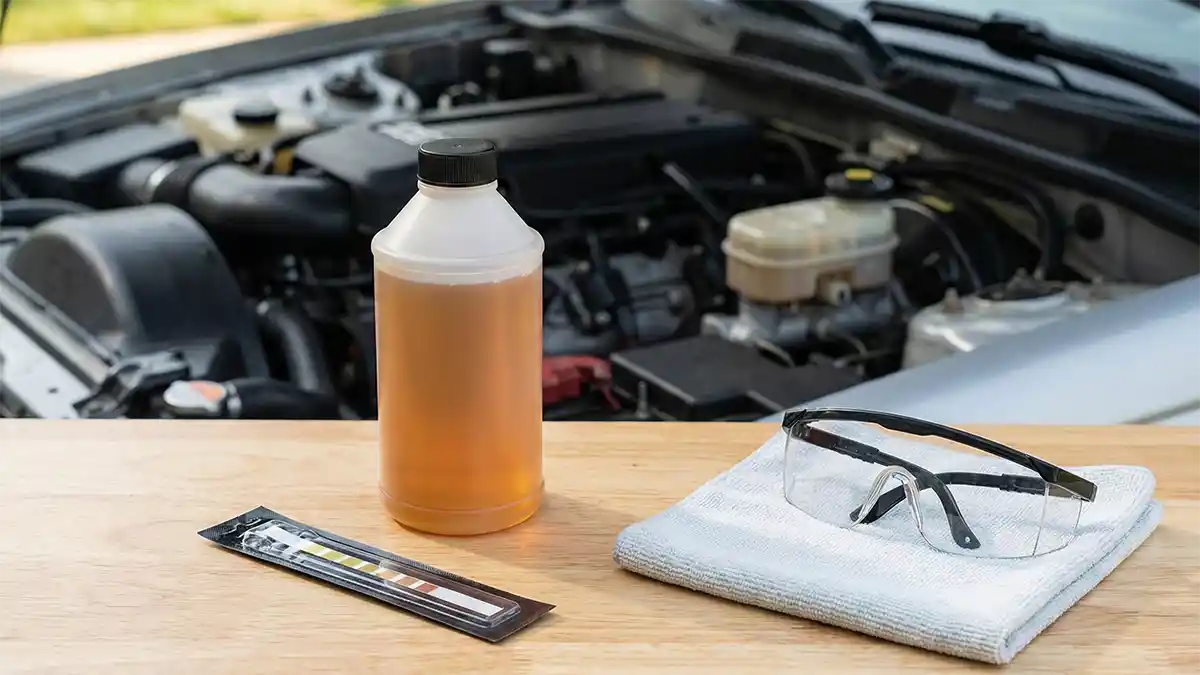
Learn how to top up brake fluid safely, choose the correct DOT type, avoid contamination and know when low fluid means a leak or brake wear.
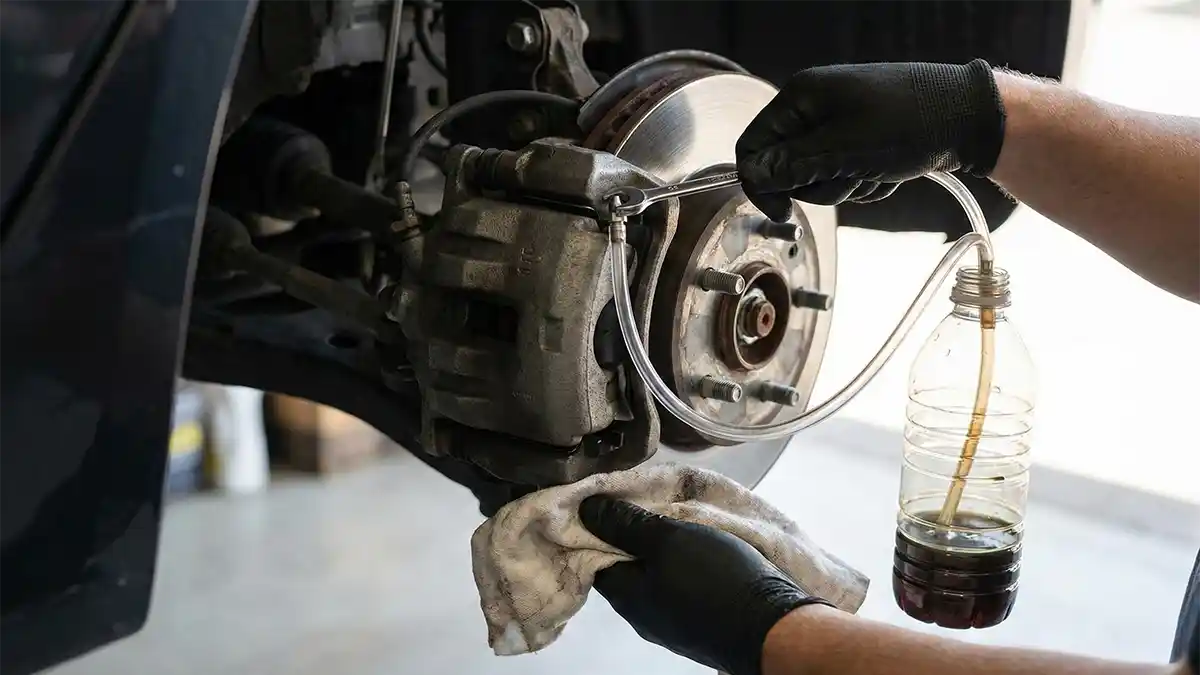
Bleeding brake fluid is a crucial maintenance task that involves removing air bubbles and old, contaminated fluid from your vehicle’s hydraulic brake lines. This process is essential for restoring proper brake pedal feel and ensuring your braking system operates effectively and safely. For the DIY enthusiast, understanding the basics of this procedure can save time …
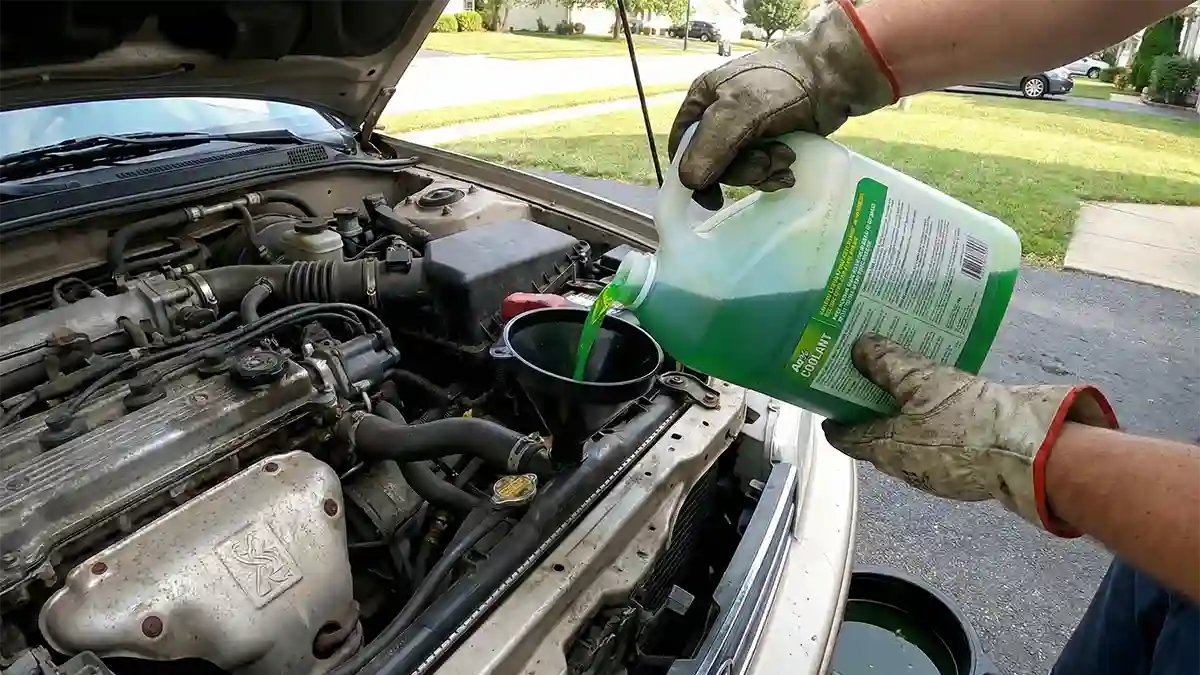
Flushing coolant at home for beginners involves safely draining old coolant, thoroughly flushing the system with distilled water, and refilling it with new, appropriate coolant. This essential maintenance task helps prevent engine overheating and extends the life of cooling system components. Key steps include gathering the right tools, ensuring the engine is completely cool, locating …
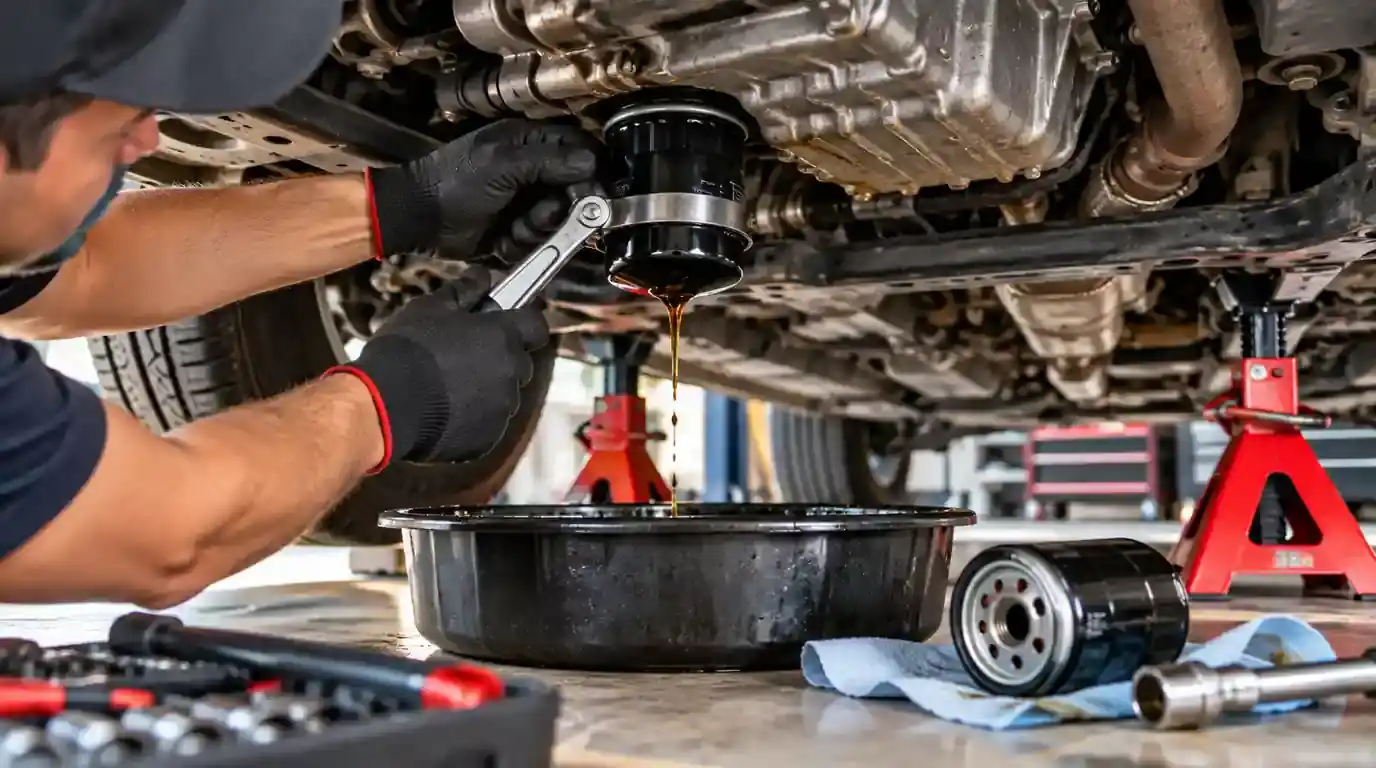
Changing an oil filter DIY involves a systematic process to ensure your engine receives clean oil and operates efficiently. This task typically includes draining the old engine oil, carefully removing the used oil filter, preparing and installing a new filter, and then refilling the engine with fresh, appropriate motor oil. Adhering to your vehicle’s specific …
To wash your car at home like a professional, gather the right tools, including two buckets with grit guards, pH-neutral car soap, and quality microfiber towels. Begin with a thorough pre-rinse to remove loose dirt, then apply the two-bucket washing method, working from top to bottom. Finish with a careful rinse and immediate drying to …
Changing spark plugs DIY involves a methodical process of gathering the correct tools, ensuring vehicle safety, carefully removing the old spark plugs, installing new ones with proper gap and torque specifications, and then reassembling all components. This task is manageable for many home mechanics, offering a rewarding sense of accomplishment and potential performance benefits for …
To check tire tread at home, you can use a simple penny test, a dedicated tread depth gauge for precision, or visually inspect the built-in wear indicator bars. Regularly assessing your tire tread depth is crucial for maintaining vehicle safety and optimal performance on the road. The penny test offers a quick, basic tread depth …
To top up coolant yourself, ensure your engine is completely cool before starting. Identify the specific coolant type required for your vehicle, locate the coolant reservoir, and carefully add the new coolant until it reaches the ‘MAX’ fill line. Always prioritize safety by wearing protective gear and never opening a hot radiator cap. Always work …
Check brake pads at home safely: use jack stands, inspect pad thickness, look for 3mm wear, grooves, uneven wear, squealing, and grinding signs.
Replacing a headlight bulb at home is a common automotive maintenance task that most car owners can perform with basic tools and a little patience. The process typically involves identifying the correct bulb type for your vehicle, safely accessing the bulb housing, carefully removing the old bulb, and installing the new one without touching the …