How to Fix Car Overheating Without Mechanic: DIY Guide

If your car overheats, stop safely, let the engine cool fully, check coolant and leaks, then diagnose fan, thermostat, water pump, radiator and circulation faults before driving again.

Trusted step-by-step guides for car repair, maintenance, and diagnostics — written by an ASE-certified technician with 12+ years of experience.
If your car overheats, stop safely, let the engine cool fully, check coolant and leaks, then diagnose fan, thermostat, water pump, radiator and circulation faults before driving again.
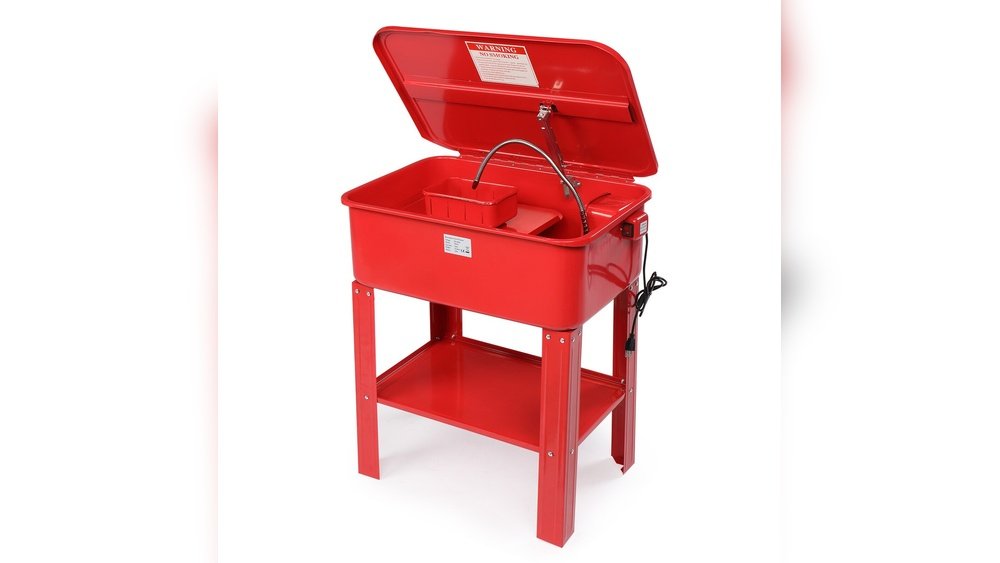
Setting up a parts washer in your garage can make cleaning greasy tools, auto parts, and machinery much easier. A parts washer helps remove oil, dirt, and grime in a safe and efficient way. But to get the most from your investment, you need to install it correctly. Whether you’re a car enthusiast or a …
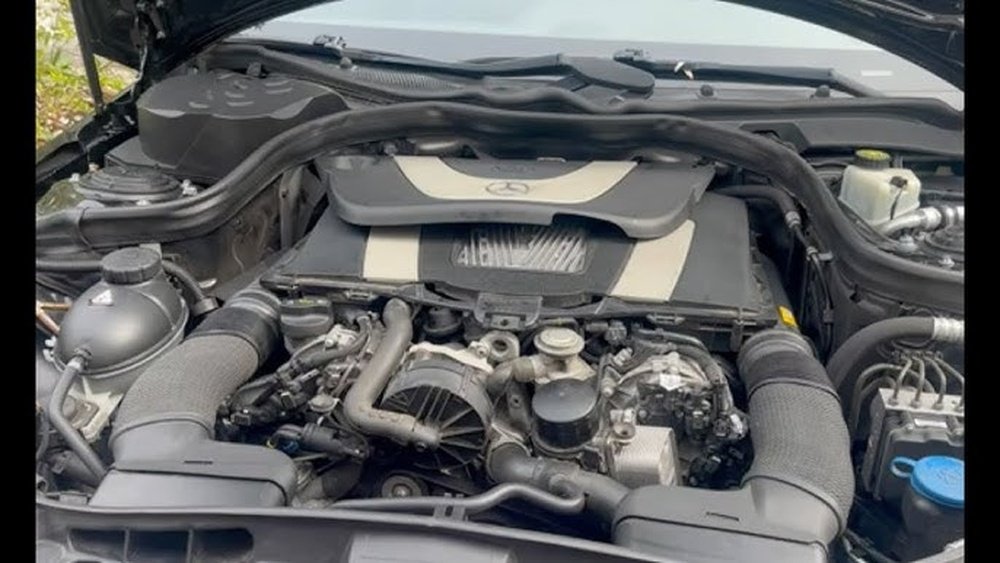
Replacing a serpentine belt in your car sounds simple, but many car owners make mistakes that lead to bigger problems. This long, winding belt connects several engine components and keeps everything running in harmony. If it breaks or is installed incorrectly, your car might not start, or worse, you could damage expensive parts. Knowing what …
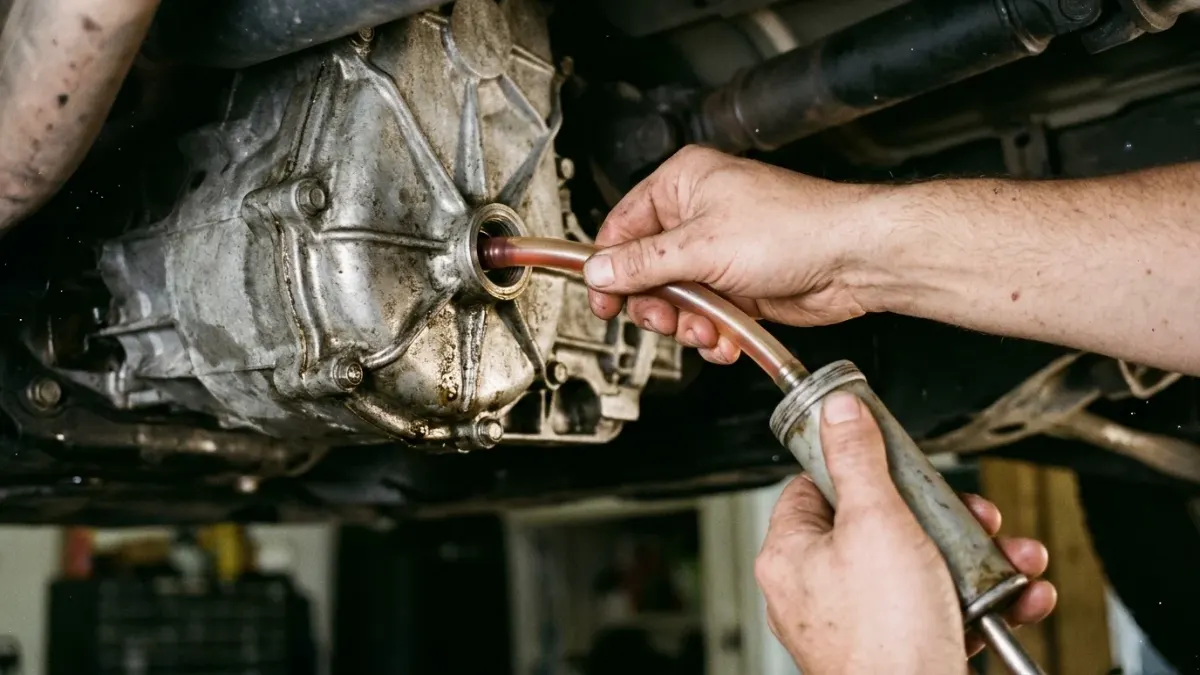
Replacing the transfer case fluid in your car is one of those maintenance tasks that often gets ignored. Many drivers focus on engine oil and forget about the rest. But if you own a four-wheel drive (4WD) or all-wheel drive (AWD) vehicle, the transfer case plays a vital role in sending power to your wheels. …
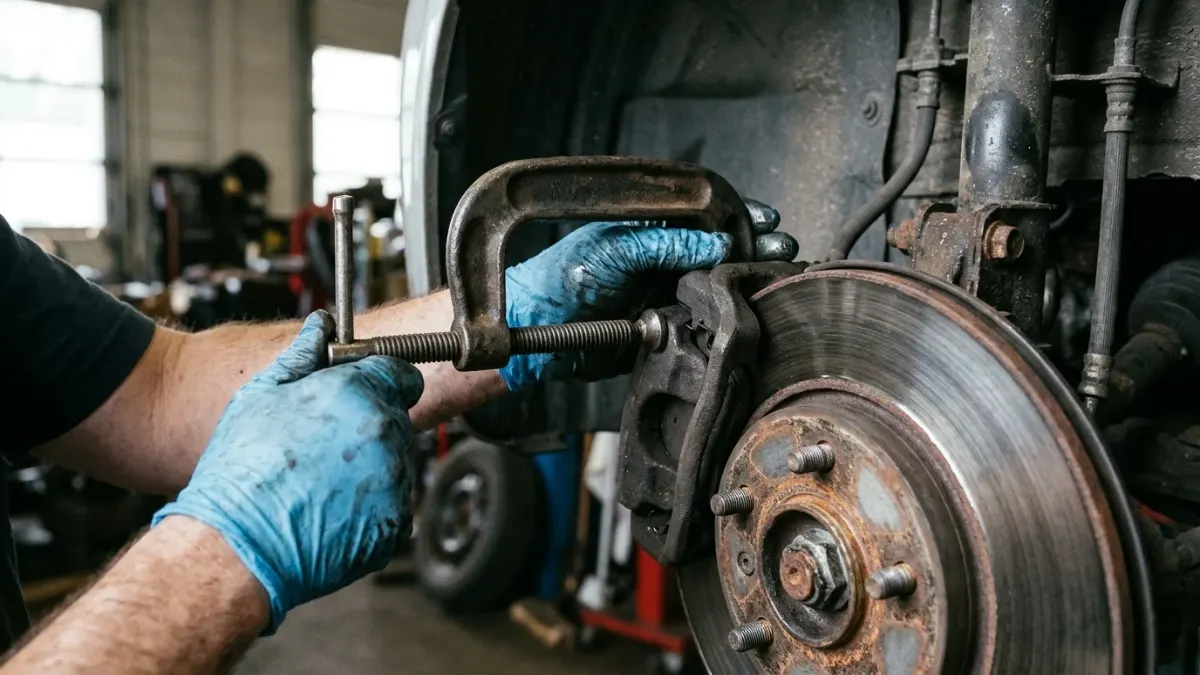
Working on your car’s brake system can save money and help you understand your vehicle better. But it’s not the same as changing a wiper blade or checking tire pressure. The brake system is critical for your safety—and mistakes can be dangerous. Whether you’re replacing brake pads, bleeding lines, or just inspecting parts, you need …

Many drivers experience slow acceleration at some point. You press the gas pedal, but the car feels heavy, takes too long to speed up, or struggles to overtake on the highway. This can be stressful, especially in busy traffic. Slow acceleration not only makes driving less enjoyable, but it can also signal deeper issues with …

Using car ramps at home can make vehicle maintenance much easier, from changing the oil to checking underbody parts. But while ramps seem simple, using them the wrong way can be dangerous. Accidents can lead to injuries or damage to your car. That’s why understanding and following safety tips is so important. If you want …
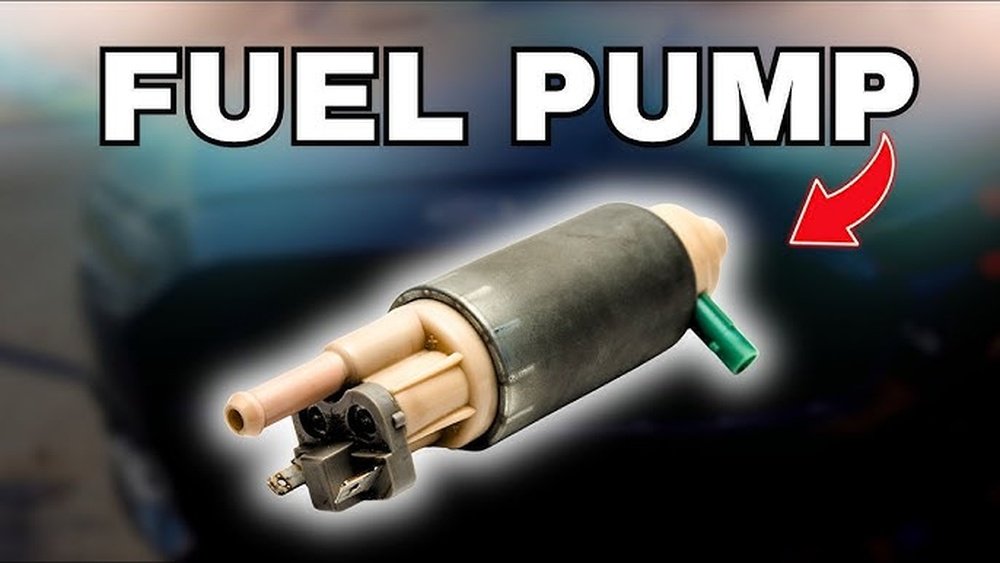
Replacing a car fuel pump might sound like a job for professional mechanics, but with the right tools, clear instructions, and patience, many car owners can do it themselves. A failing fuel pump can cause your car to stall, not start, or lose power while driving. If you notice these signs, acting quickly can save …
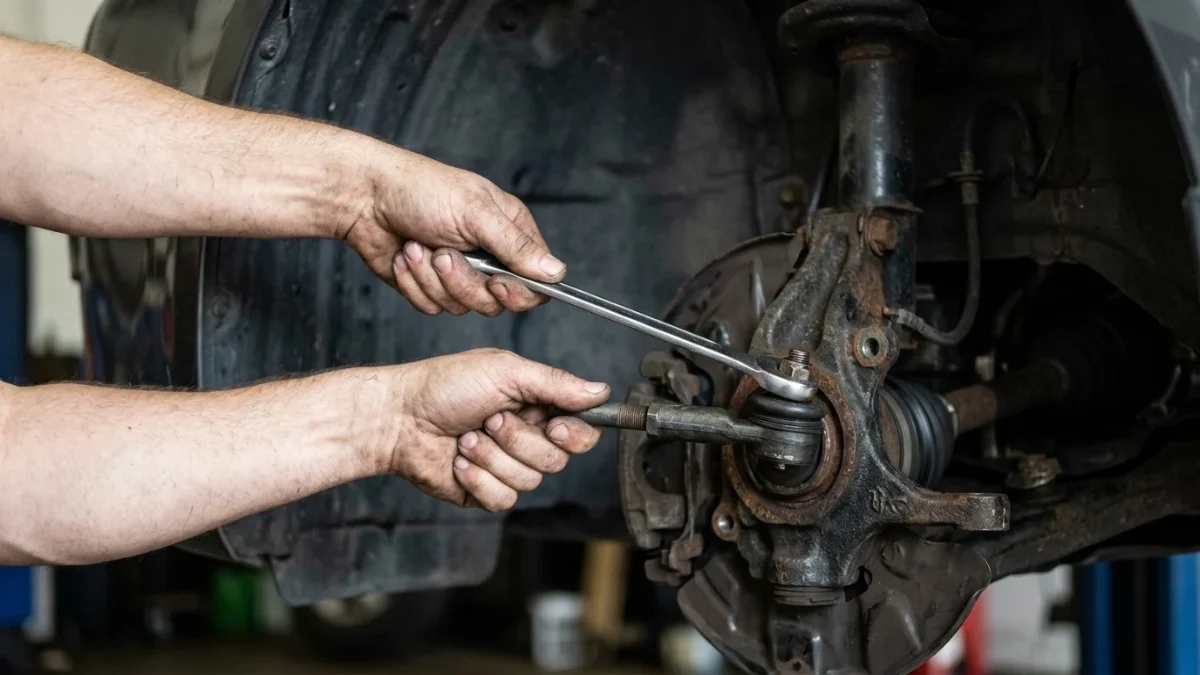
Replacing the tie rod ends on your car can seem challenging if you’ve never handled car repairs before. However, with the right knowledge, tools, and a patient approach, it’s a job you can do yourself and save significant money. This guide will walk you through everything you need to know about how to replace car …
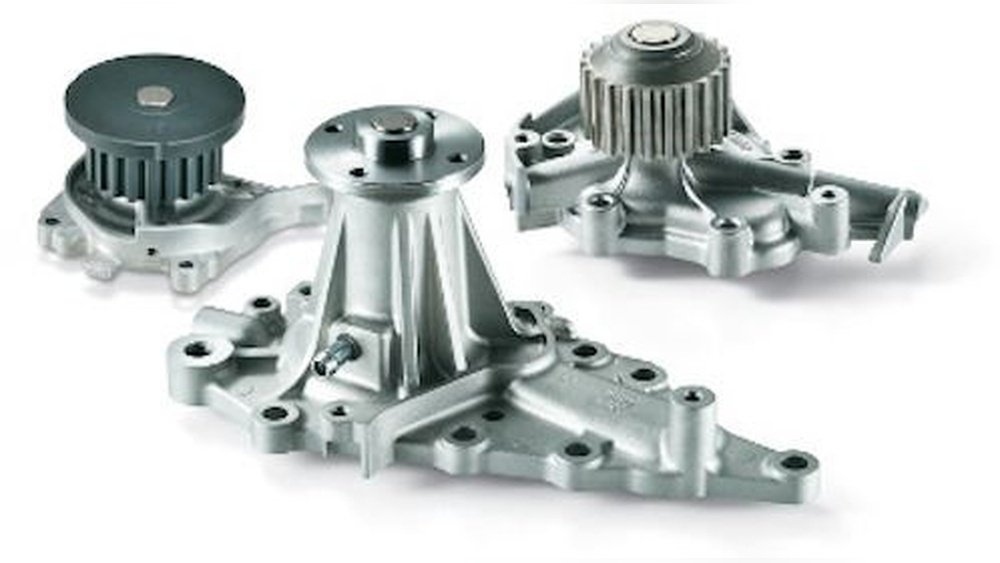
Replacing a car’s water pump sounds simple, but one small mistake can lead to engine overheating, coolant leaks, or even total engine failure. Many car owners and even some mechanics underestimate how critical this part is for the health of your vehicle. If you want your car to stay reliable, it’s important to avoid common …