How to Check Coolant Level at Home: A Complete DIY Guide

how to check coolant level at home

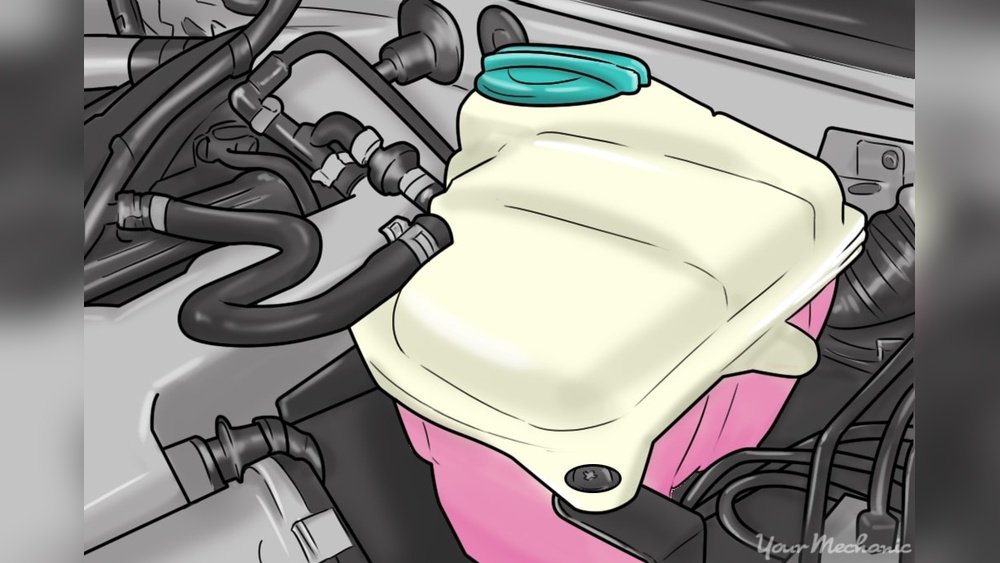
Checking your car’s coolant level at home is a straightforward maintenance task that can prevent serious engine damage. To perform this check, ensure your engine is completely cool, then locate the translucent coolant reservoir under the hood. The fluid level should visibly rest between the ‘MIN’ and ‘MAX’ indicators on the side of the reservoir. …

Read more

How Often to Change Engine Oil DIY: Full Guide

how often to change engine oil diy

For home mechanics, understanding how often to change engine oil is crucial for vehicle longevity and performance. Generally, conventional engine oil should be changed every 5,000 to 7,500 miles or every 6 months, while synthetic oil typically allows for intervals of 7,500 to 10,000 miles or 12 months. These are general guidelines, and specific intervals …

Read more

Safe Way to Use Impact Wrench on Jack Stands

safe way to use impact wrench on jack stands

Using an impact wrench on jack stands safely involves ensuring the vehicle is stable and properly supported, selecting the correct socket, and applying controlled bursts of power. Always prioritize personal protective equipment and double-check all connections before operation to prevent accidents and ensure a secure working environment. safe way to use impact wrench on jack …

Read more

Avoiding Fire Hazards in Home Garage: Safety Tips

avoiding fire hazards in home garage

Avoiding fire hazards in a home garage is crucial for safety, involving the identification and mitigation of common risks such as improperly stored flammable liquids, faulty electrical systems, and uncontrolled heat sources. Implementing safe storage practices, ensuring adequate ventilation, maintaining electrical integrity, and having accessible fire extinguishers are fundamental steps to prevent garage fires. Properly …

Read more

Proper Clothing for DIY Car Maintenance: Tips

proper clothing for diy car maintenance

Engaging in DIY car maintenance can be a rewarding experience, but it comes with inherent risks. Wearing proper clothing for DIY car maintenance is not merely about staying clean; it is a critical safety measure that protects you from cuts, burns, chemical exposure, and other potential hazards in the garage. Selecting the right attire can …

Read more

Emergency Plan When Working Under Car: Guide

emergency plan when working under car

Working under a car can be inherently dangerous, but a well-structured emergency plan significantly mitigates risks. An effective plan involves comprehensive preparation, utilizing proper safety equipment like jack stands and wheel chocks, establishing clear communication, understanding basic first aid, and knowing how to safely exit or call for help in an unexpected situation. Always use …

Read more

Essential Garage Floor Safety Tips for Car DIY Enthusiasts

garage floor safety tips for car diy

Prioritizing garage floor safety for car DIY involves maintaining a clean, dry surface, using proper lifting equipment, ensuring adequate ventilation, and organizing tools to prevent trip hazards. Always address spills immediately and wear appropriate personal protective equipment to safeguard against common workshop dangers. Keep your garage floor clean and dry. Use appropriate vehicle lifting equipment …

Read more

What to Do if Car Slips Off Jack: Safety Guide

What to Do if Car Slips Off Jack DIY

If your car slips off a jack while you are working on it, the immediate priority is personal safety. Move away from the vehicle quickly and assess the situation from a safe distance before attempting any further action. Never try to catch or stabilize a falling vehicle, as this can lead to severe injury. The …

Read more

How to Secure Car on Ramps Safely: A Comprehensive Guide

how to secure car on ramps safely

To secure a car on ramps safely, always begin by placing the ramps on a level, firm, and non-slip surface. Drive your vehicle slowly and precisely onto the ramps until the tires are fully seated in the designated cradles. Once positioned, engage the parking brake firmly, place robust wheel chocks behind the rear wheels, and …

Read more